
Today marks our first day back in the office, and it’s a surreal feeling. CultureTrust has been our creative haven since 2014 (or was it 2015? 😳), but as we all remember, the pandemic struck, reshaping our artistic landscape. I won’t sugarcoat it; navigating the turbulent waters as artists has been, and still is, an emotional journey during the pandemic. These experiences have influenced how we approach the future of our entertainment business.
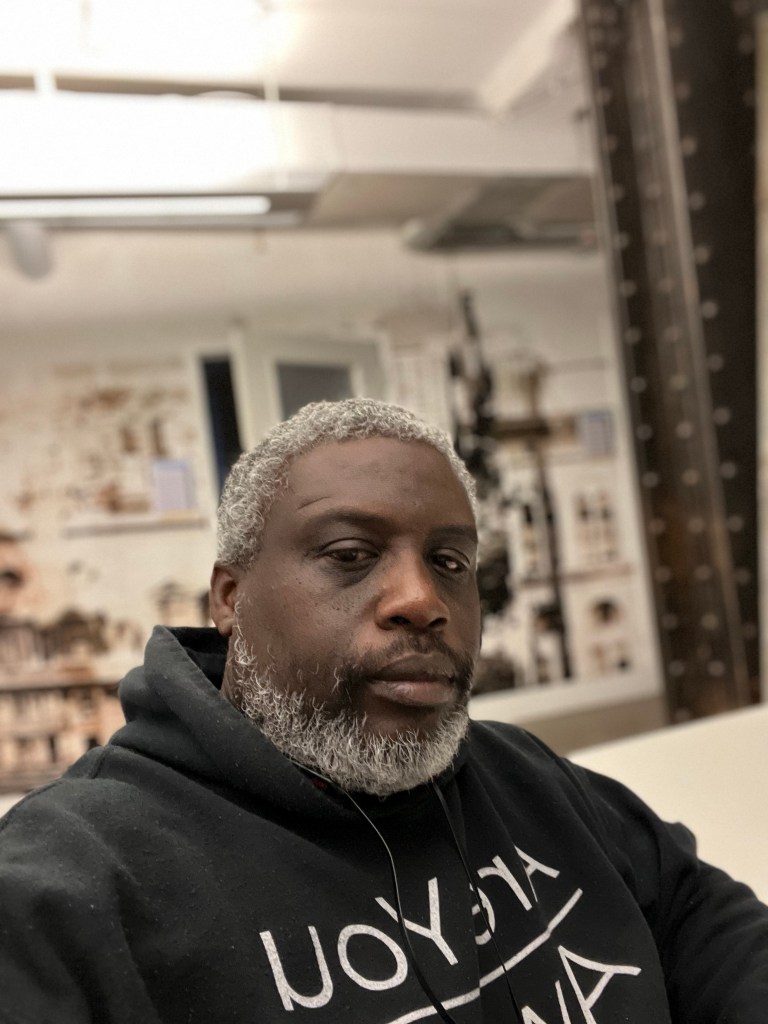
For many of us, especially artists of color, the pandemic brought essential issues to the forefront. It shed light on the challenges we face as artists of color in our own city. We witnessed a shift in the business practices of various institutions, recognizing that we’re not just another statistic or a source of revenue but individuals and groups striving for genuine inclusion and change. In this evolving landscape, Philadelphia’s theater scene has undergone a remarkable transformation, focusing on inclusivity, diversifying casts, and making performances more accessible. The pandemic accelerated changes as theaters adapted to virtual and hybrid formats, widening their reach and offering opportunities to artists who had previously encountered barriers in traditional settings. Moreover, the industry recognized the significance of accessibility, incorporating features like closed captions and sign language interpreters to cater to individuals with disabilities. The result is a theater community that has not only preserved its commitment to inclusivity but expanded its horizons, embracing diversity like never before. Nonetheless, we must acknowledge the challenges that persist. The pandemic exposed the financial fragility of many theaters, threatening the sustainability of inclusive initiatives. To ensure these positive changes aren’t just a product of these trying times, we must continue to support inclusive practices and work towards a lasting legacy of a more diverse and inclusive theater landscape in Philadelphia.
 Run Boy Run Production