“Faith and Mental Health: Navigating the Complexities of Resilience and Hope”

Faith is a multifaceted force that intricately intertwines with mental health, manifesting in various forms. The search for faith often involves exploring different belief systems, whether within the structured confines of a church or synagogue or through a more personal journey of spirituality and meditation. The feeling derived from faith serves as a positive reinforcement, offering solace in times of mental distress. This quest for something greater than oneself becomes crucial, especially during states of depression and other mental health conditions.

However, the pursuit of faith is not without its challenges. While faith can be a source of strength, those who lack it may face additional hardships. The yearning for positive reinforcements and meaningful words during difficult times underscores the universal human need for hope and connection. The struggle to find faith can be intensely personal, prompting introspection on when, or if, things will improve.

In contemplating the role of faith in mental health, one must acknowledge that it extends beyond the walls of traditional religious institutions. For many, spirituality is about finding a place within oneself, a sanctuary where meditation and self-reflection provide the sought-after reinforcements. The journey toward mental well-being involves floating through tears and yearning for a better day, holding onto the belief that there is something more significant at play.

As a black man, the intersection of faith and mental health takes on a unique perspective. In the face of societal challenges and systemic issues, finding solace can be elusive. The struggle to believe in a better future becomes an uphill battle when it seems distant or obscured. Yet, the call to hold on to faith persists as a beacon of hope, a testament to the resilience required to navigate the complexities of mental health in the pursuit of a brighter tomorrow.

Navigating the Shadows: Understanding the Impact of Post-Traumatic Slavery Disorder and Post-Traumatic Stress Disorder on Black Men Today

In the intricate tapestry of today’s society, the repercussions of historical trauma manifest in diverse ways, notably affecting black men who grapple with the haunting legacies of both Post-Traumatic Slavery Disorder (PTSD) and Post-Traumatic Stress Disorder (PTSD). Despite distinct origins, these disorders share common ground, echoing the profound impact of systemic oppression and societal injustices.

The roots of PTSD in black men intertwine with the historical trauma of slavery, marked by centuries of dehumanization, violence, and institutionalized racism. Post-Traumatic Slavery Disorder, a term gaining recognition, addresses the enduring psychological scars borne from this dark period. In contrast, PTSD, often associated with war veterans, encompasses a broader range of traumatic experiences. Both, however, share the thread of relentless adversity and racial injustice, weaving a complex narrative that shapes the mental health landscape for black men.

The causes of these disorders are multifaceted, stemming from historical trauma, ongoing racial discrimination, and socio-economic disparities. The persistent systemic challenges faced by black men, from racial profiling to limited access to resources, contribute to a continuous state of heightened stress. The cumulative effect of these factors fosters an environment where mental health struggles can thrive.

Effectively addressing these disorders necessitates a comprehensive approach. Culturally sensitive therapy, community support, and dismantling systemic racism are pivotal steps. Tailored therapeutic interventions recognizing the unique aspects of post-traumatic slavery experiences can provide a pathway to healing. Moreover, fostering resilience within communities and advocating for equitable policies are essential to breaking the cycle of intergenerational trauma.

In conclusion, acknowledging the nuanced intersectionality of Post-Traumatic Slavery Disorder and PTSD in black men is crucial for developing effective strategies for healing and resilience. By dismantling systemic barriers, fostering empathy, and embracing a holistic approach to mental health, society can contribute to creating an environment where black men can confront and overcome the shadows of the past, forging a path toward a more equitable and just future.

Breaking the Silence: Navigating the Struggles of Men’s Mental Health Disclosure

Opening up about mental health is a journey fraught with challenges, and for men, the path can be particularly arduous. Society often imposes unrealistic expectations on men to embody strength, resilience, and emotional stoicism. Consequently, creating a space for men to discuss their mental health issues is not just difficult—it’s a profound societal shift. In this blog post, we explore the hurdles men face when broaching the topic, the stigma surrounding mental health disclosure, and how we can foster an environment where men feel safe opening up.

The Stigma Surrounding Men’s Mental Health

Men, from a young age, are conditioned to be the stoic providers, showing minimal vulnerability. This cultural expectation makes it challenging for them to admit when they’re struggling emotionally. The fear of being perceived as weak or incapable often silences their inner struggles. As a result, many men suffer in silence, grappling with their mental health behind a facade of strength.

The Burden of Blame

When men do muster the courage to share their mental health challenges, there’s a common tendency for both the speaker and the listener to attribute blame. The person revealing their struggles might feel like a burden, causing guilt and exacerbating their mental health issues. On the other side, friends and family may unintentionally internalize responsibility, thinking they somehow caused the problem. This dynamic can hinder open communication and perpetuate the cycle of silence.

Creating a Safe Space for Dialogue

Breaking the silence around men’s mental health requires a shift in societal attitudes and individual behaviors. Here are some steps we can take to foster a safe environment for men to talk about their mental well-being:

  1. Normalizing Vulnerability: Encourage open conversations about emotions, emphasizing that everyone faces challenges and seeking help is a sign of strength.
  2. Active Listening: Be a compassionate and non-judgmental listener. Sometimes, men just need someone to hear them without offering immediate solutions.
  3. Educating About Mental Health: Promote awareness and understanding of mental health issues. Education helps dispel myths, reduce stigma, and encourages empathy.
  4. Destigmatizing Professional Help: Emphasize the importance of seeking professional support. Highlighting that therapy is a tool for personal growth, not just crisis intervention, can make it more acceptable.
  5. Lead by Example: Share your own experiences with mental health to demonstrate that it’s okay to talk about struggles. Authenticity can inspire others to do the same.

Conclusion

Creating a space for men to discuss their mental health requires a collective effort to challenge societal norms and foster empathy. By dismantling the stigma, normalizing vulnerability, and promoting open dialogue, we can contribute to a cultural shift where men feel safe sharing their mental health challenges without fear of judgment or blame. It’s time to break the silence and cultivate an environment where everyone, regardless of gender, can openly address their mental well-being.

You ever have a point in a moment when you’re trying to talk to someone about what you’re going through and how you’re feeling and they flip it to being something about them. As a man, probably one of the biggest things is the GD information to others on your mental illness moments it’s often looked at as a point of shame in many cases people think of you of less than amen at least that’s what you think of yourself. When it’s being Devolved turns into a situation where that person that you’re talking to sees them self as the why moment as if they are the ones that made you this way or that it’s all of their fault when the fault is not on them but you having things that’s going on with you. For men mental health and allowing others in has never been easy.

Actors just remember this…

When applying for or attending a theatre casting, actors should keep a few key things in mind:

  1. Preparation is Key: Thoroughly prepare your monologue, song, or scene, depending on the casting requirements. Practice and be ready to perform your best.
  2. Research the Production: Familiarize yourself with the play or musical being cast. Understand the characters, storyline, and the director’s vision for the production.
  3. Professionalism: Present yourself professionally. Arrive on time, be courteous to staff, and come dressed appropriately for the role or in neutral audition attire.
  4. Be Flexible: Be open to direction and adjustments during the audition. Directors may want to see how adaptable you are to their vision.
  5. Confidence: Exude confidence in your performance. Even if you make a mistake, continue without breaking character.
  6. Headshot and Resume: Bring a headshot and a well-organized resume detailing your acting experience and training.
  7. Stay Positive: Rejection is part of the industry. Don’t be discouraged by audition outcomes. Use each experience as an opportunity to learn and grow.
  8. Networking: Build relationships with directors, casting agents, and fellow actors. Networking can lead to future opportunities.
  9. Follow-Up: If you’re interested in a role, send a thank-you note or email after the audition to express your continued interest and appreciation.
  10. Be Yourself: Don’t try to be someone you’re not. Casting directors appreciate authenticity. Show your unique qualities and what makes you a great fit for the role.

Remember that each casting is a chance to showcase your talent, and with persistence and dedication, you can achieve success in the theatre industry.

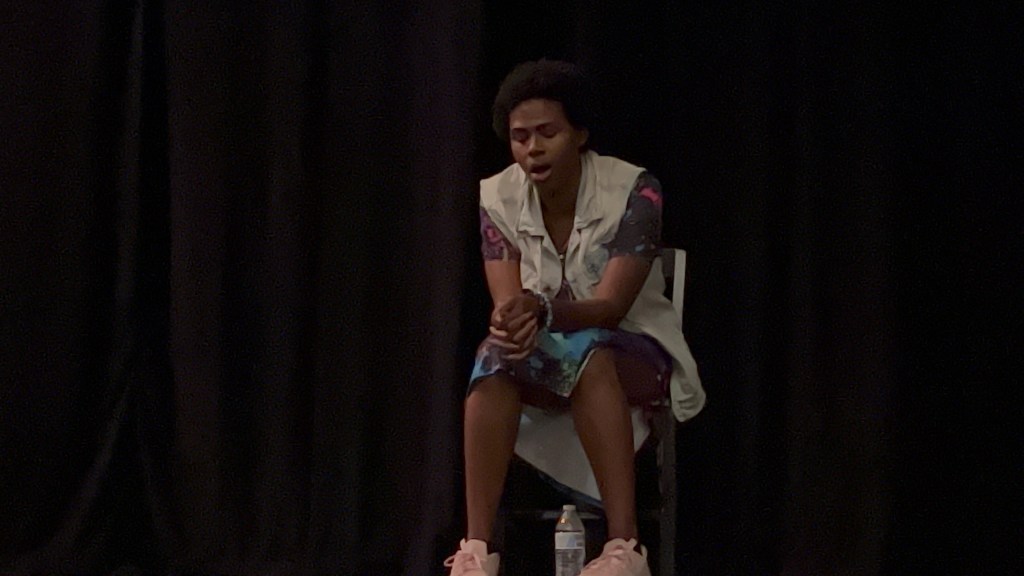
Tasha Holmes at a casting for Plays and Players Presents

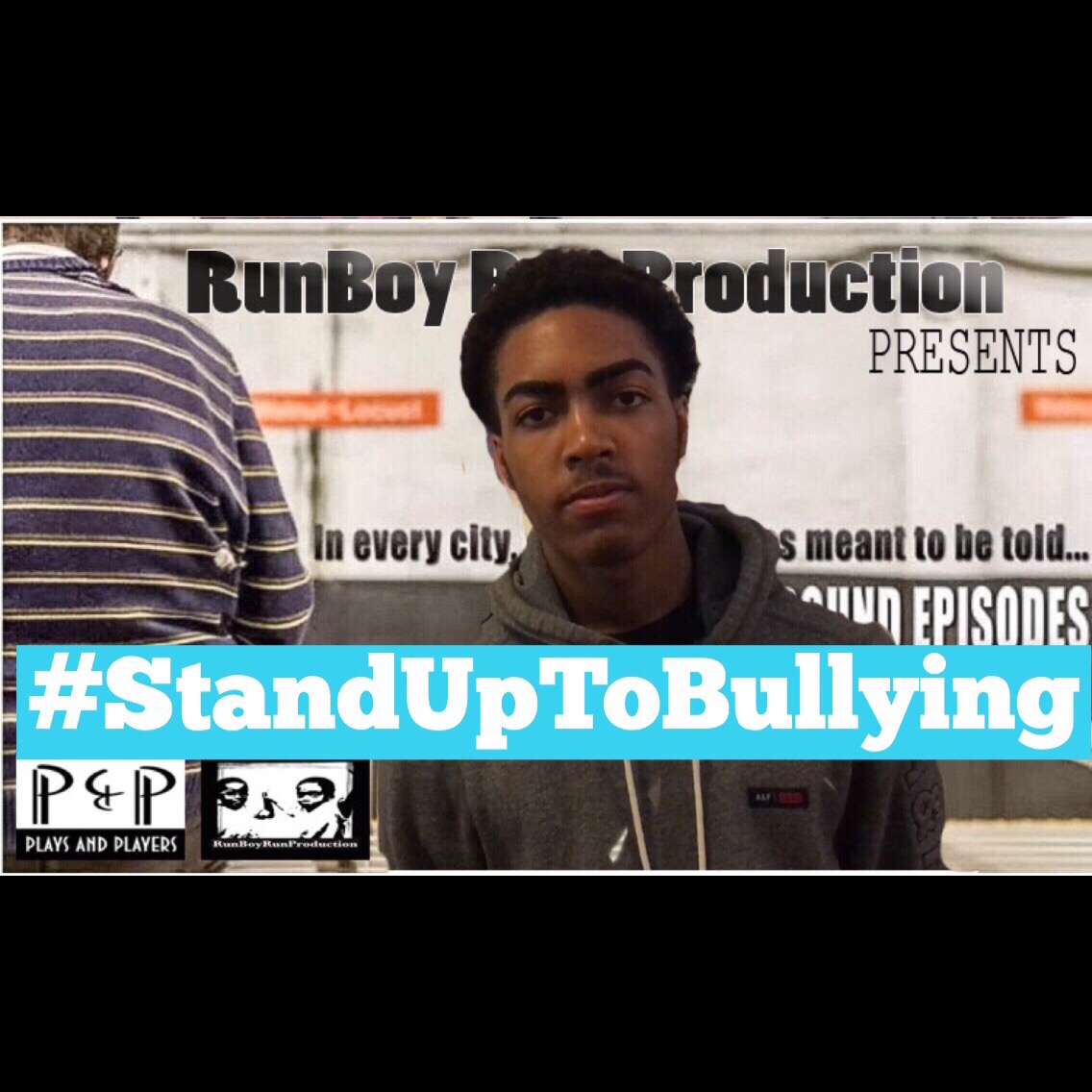
How will you stand up to Bullying? 

Since our beginning RunBoyRunProduction has believed that art is the best way to tell not only stories but how reality is affected daily but the average person. One of our most impactful stories has been “Bully” (performed here by Ra Wilson) which is a story about a young man that got expelled from school but as he tells it they thought he was the bully but it turns out that he was the one being bullied. 


For many of us the story is relatable especially if you come from the 80s and 90s when it was always those of us that were nerds that were being bullied. I tell you from experience being bullied as a kid was not a happy moment for me. Whether it was done by high school jocks or just someone who though I was an easy target my terror as a child was often followed by rage and regrets. However as an artist I had an outlet and that was being able to write, act, dance or draw the need to have an outlet was important In getting through such pain. 

Because art was my outlet as a child for so many things, I make it my duty to do such for others after all we all need someone to listen to our stories. As I said before Ra has been doing bully since its incarnation and has since grown as an actor doing films and becoming a playwright himself. So now as we go into our forth year Ra has decided to pay it forward and give the role to a young up and coming Quashawn White as he makes his stage debut. 


Bullying is not a laughing matter and in this day in time it has taken on a new form with the days of social media that it’s panic and terror has been one that many of us can’t turn our eyes from. However what we can do is stand up and fight for those that that need a voice those that need and outlet that in the end will look to you and say thank you for showing me how to stand.. How will you stand up to bullying? 

Continued Beginnings

imageo

Last night was an amazing night as i watch a dream unfold The Collective  Mic Arts Cafe birthed from the vision and drive of its creators Tiffani”La Dive” Dean and Jody”True Story” Austin. It was a gathering i am blessed with its wait as many of the Collective family and us that are extension of that came out to show our support to the birth of a creative space made  11222414_10206599850147971_3055978666860805336_n

to bring in artistic creativity of all kinds.With walls laid out with some of the brightest talents the city has to offer. with walls that contained a story within themselves the artistry was speaking in its own tongue as pieces from Giovanni aka Lyrical Thought,Cierra F,Way LaMatrix,Kamau MShele, Alicia Adanna  Amira Jenna and MyDeraSpeakMeFree were on display and feature painter Giovanni and Cierra amazed us with there collaborative on set strokes of work that showed us all that when a woman hand speaks you better listen. The open mic was a blaze as artist came out to let loose old and new works of flowmenship that oozed from lips and allowed us to breath new air of words for a first time. But when it came to giving the mic what it needed, the crowed was fixed on the lyrical wordsmith Shyst giving a story that can only be told through rapid insertion and power that he possesses.

When the mic closed the night was far from over as Dj Mitch let the party people get something funky to mingle too as they feed on finger foods and libations that relaxed the night as it was meant too. In the end the Collective has shown all that as artist the time has come for forward progress as black business owners and a place for arts in neighborhoods that deserve to be brought back to life within a continued beginning that will go on for ever…

FRom New York and Back

CS_5759

I must admit that i am in fear of whats to come as those whom i am us to working with have been busy with there own lives and projects. Nevertheless this i am seizing this moment to become the artist i was meant to be and allow others to help me where my fears would probably make me take a back seat and stop this project all together. Happiness is finding the common ground among others and reaching outward and in to understand that the balance to all of this is understanding that you never were alone within a journey that has a true positive focus…

New York State of Mind

“When you talk about a great actor, you’re not talking about Tom Cruise.”
Lauren Bacall

Every actors wants to be noticed for a great performance but truth is many think of having a horrible moment over actually doing well first. Funny thing about getting in front of an audience is they know whats good and whats bad in your performance. As many of the cast mates took to the stage at the Cool Stories Vol 1 Fest some were as nervous as me when we walked in and saw that we were actually in NY to show what we can do. From person to person i watched as they took the time to allow the presence to seep into each performance and allow the feat to become the lead into a moment where the crowd then saw what they can do. In the end, they received the claps the cheers and the bow that all actors great and amateur want total appreciation for what they do..

CS_5760

Another Week of Work


Yesterday was a great day as cast members came in ready for rehearsal. For many of the cast members it’s all about reintroducing themselves too the material. For many that reintroduction to the script involved learning how to focus and become the character once again as well as taking ques from others and being back into consistency concerning the flow of scenes between actors. 

The Step Up


Competition [in a scene] is healthy. Competition is life. Yet most actors refuse to acknowledge this. They don’t want to compete. They want to get along. And they are therefore not first-rate actors.
~ Michael Shurtleff

In most cases, an actors job is to make unbelievable believable and although this may be for a scene it is also in the interaction between another actor this becomes important as well. Most of this is in understanding what he or she is bringing to the table within their performance that helps the next to step up when it’s his or her turn on the stage too. With daily rehearsal and communication it becomes helpful to an actor in building chemistry within each pass as well as in the performance its self.