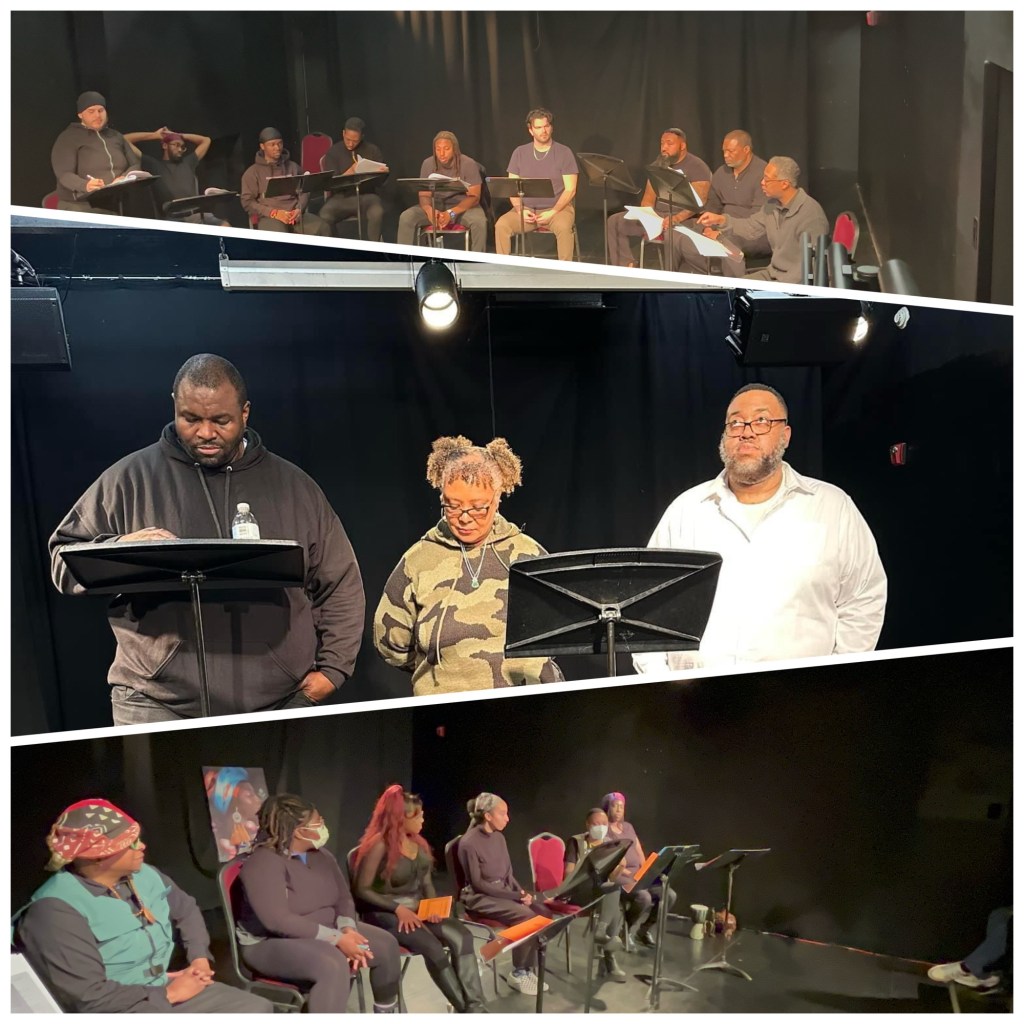
Black theatre, within the rich tapestry of performing arts, serves as a poignant testament to the depth of culture, history, and creativity within the black community. From the groundbreaking narratives of August Wilson to the contemporary innovations of playwrights like Tarell Alvin McCraney, black theatre resonates with audiences and amplifies essential stories. Yet, behind each captivating stage production lies an often-overlooked process: the crucial readings and rehearsals that refine and shape the final performance.
Before a play graces the spotlight, it embarks on a developmental journey critical for black theatre’s authenticity and impact. Readings, workshops, and rehearsals provide a platform for playwrights, directors, and actors to delve into themes, characters, and dialogue with depth and nuance. Particularly for black theatre, these early stages hold immense significance, allowing artists to explore complex issues of identity, race, and social justice authentically.
The necessity for black theatre readings arises from a commitment to ensuring accurate and respectful representation of black, brown, and LGBTQ communities. Through collaborative table reads and workshops, artists refine scripts, tackle challenging themes, and celebrate the diverse perspectives within the black diaspora. These readings serve as incubators for creativity and dialogue, empowering artists to elevate their craft and contribute meaningfully to the artistic landscape.
Moreover, black theatre readings offer a vital platform for emerging playwrights and performers to showcase their talents and amplify their voices. In an industry where opportunities for minority artists can be scarce, these readings provide essential connections with mentors, collaborators, and audiences. By championing diversity and inclusivity throughout the creative process, black theatre readings enrich the artistic community and foster greater representation and equity.
In addition to honoring the significance of readings, it’s essential to celebrate the contributions of black, brown, and LGBTQ writers and performers in theatre. Often marginalized or overlooked, these trailblazing artists have shaped and enriched black theatre with their extraordinary talents. From luminaries like Lorraine Hansberry to Sidney Poitier, their voices deserve recognition and celebration.
Our commitment to black theatre extends beyond homage to classic works; it encompasses nurturing new talent and amplifying underrepresented voices. By providing opportunities for Philadelphia theatre makers to direct and narrate readings of Broadway classics, we broaden the scope of inclusivity and creativity within the industry. These readings not only provide a platform for aspiring actors but also inspire audiences to witness the next generation of theatre talent.
In conclusion, black theatre readings are not merely a precursor to the final performance; they are an integral part of the creative journey, fostering collaboration, dialogue, and discovery. By embracing readings and honoring diverse talent, we ensure the continued vibrancy and relevance of black theatre in the performing arts landscape. Let us raise our voices, celebrate achievements, and embrace the transformative power of black theatre as we eagerly anticipate the next chapter of its evolution.
In the vibrant landscape of American theater, there exists a captivating duality – African-American theater and Black theater. These two entities share a common thread of representing the Black experience, yet they differ in subtle but meaningful ways. Both these theaters face unique challenges within an industry that has often marginalized them, making it crucial to examine how they coexist while persevering in a narrative that has often overlooked their voices.
Defining African-American Theater and Black Theater
African-American theater, in its essence, refers to the theater that centers on the experiences, stories, and culture of African-Americans. It has roots in the struggle for civil rights and social justice, with historical figures like Lorraine Hansberry and August Wilson making significant contributions. African-American theater often tackles issues of racial identity, discrimination, and the fight for equality.
On the other hand, Black theater takes a more encompassing approach. It doesn’t limit itself to African-Americans but extends its reach to encompass the entire African diaspora. Black theater explores the shared experiences of Black people worldwide, transcending geographical boundaries. This broader perspective allows Black theater to connect with an even wider audience and tackle a variety of global issues related to Black culture.
Coexistence in the Theater World
The theater world, often criticized for its lack of diversity and opportunities for Black artists, has begun to recognize the importance of both African-American and Black theater. These distinct forms of expression coexist by occupying different niches within the industry. African-American theater remains a vital tool for addressing the specific struggles faced by African-Americans in the United States. In contrast, Black theater, with its global focus, provides a platform to celebrate the rich and diverse tapestry of the Black experience worldwide.
Challenges and Triumphs
Both African-American theater and Black theater face unique challenges. These challenges, however, have not deterred their perseverance.
Representation: The fight for representation in theater is ongoing. Both African-American and Black theater have struggled to secure their rightful place on the stage, but they persist in sharing stories that need to be told.
Funding and Resources: Access to funding and resources remains a challenge. Despite this, dedicated artists have found innovative ways to produce remarkable work, such as crowdfunding and community support.
Recognition: Achieving recognition for their contributions can be an uphill battle. However, accolades and awards for actors, directors, and playwrights from these theaters continue to grow, providing well-deserved recognition for their talent and dedication.
The Survival of the Black Experience in American Theater
The Black experience is both resilient and transformative. It continues to evolve, adapt, and persevere in the narrative of American theater. African-American and Black theaters play a pivotal role in this narrative, ensuring that the stories of Black people are not just heard but celebrated. Their existence challenges the industry to become more inclusive and open to diverse narratives.
In conclusion, the difference between African-American theater and Black theater is rooted in scope and perspective. They coexist as vital contributors to American theater, making space for underrepresented voices and celebrating the rich tapestry of Black experiences. Together, they defy the industry’s tendency to look from the outside in and pave the way for a more inclusive and diverse theater landscape in America. The Black experience is not just surviving but thriving in the ever-evolving narrative of American theater.
Title: Navigating the Duality: African-American Theater vs. Black Theater
In the vibrant landscape of American theater, there exists a captivating duality – African-American theater and Black theater. These two entities share a common thread of representing the Black experience, yet they differ in subtle but meaningful ways. Both these theaters face unique challenges within an industry that has often marginalized them, making it crucial to examine how they coexist while persevering in a narrative that has often overlooked their voices.
Defining African-American Theater and Black Theater
African-American theater, in its essence, refers to the theater that centers on the experiences, stories, and culture of African-Americans. It has roots in the struggle for civil rights and social justice, with historical figures like Lorraine Hansberry and August Wilson making significant contributions. African-American theater often tackles issues of racial identity, discrimination, and the fight for equality.
On the other hand, Black theater takes a more encompassing approach. It doesn’t limit itself to African-Americans but extends its reach to encompass the entire African diaspora. Black theater explores the shared experiences of Black people worldwide, transcending geographical boundaries. This broader perspective allows Black theater to connect with an even wider audience and tackle a variety of global issues related to Black culture.
Coexistence in the Theater World
The theater world, often criticized for its lack of diversity and opportunities for Black artists, has begun to recognize the importance of both African-American and Black theater. These distinct forms of expression coexist by occupying different niches within the industry. African-American theater remains a vital tool for addressing the specific struggles faced by African-Americans in the United States. In contrast, Black theater, with its global focus, provides a platform to celebrate the rich and diverse tapestry of the Black experience worldwide.
Challenges and Triumphs
Both African-American theater and Black theater face unique challenges. These challenges, however, have not deterred their perseverance.
Representation: The fight for representation in theater is ongoing. Both African-American and Black theater have struggled to secure their rightful place on the stage, but they persist in sharing stories that need to be told.
Funding and Resources: Access to funding and resources remains a challenge. Despite this, dedicated artists have found innovative ways to produce remarkable work, such as crowdfunding and community support.
Recognition: Achieving recognition for their contributions can be an uphill battle. However, accolades and awards for actors, directors, and playwrights from these theaters continue to grow, providing well-deserved recognition for their talent and dedication.
The Survival of the Black Experience in American Theater
The Black experience is both resilient and transformative. It continues to evolve, adapt, and persevere in the narrative of American theater. African-American and Black theaters play a pivotal role in this narrative, ensuring that the stories of Black people are not just heard but celebrated. Their existence challenges the industry to become more inclusive and open to diverse narratives.
In conclusion, the difference between African-American theater and Black theater is rooted in scope and perspective. They coexist as vital contributors to American theater, making space for underrepresented voices and celebrating the rich tapestry of Black experiences. Together, they defy the industry’s tendency to look from the outside in and pave the way for a more inclusive and diverse theater landscape in America. The Black experience is not just surviving but thriving in the ever-evolving narrative of American theater.
So if you didn’t know we are in the middle of preproduction of Awoke the musical and it’s been a great journey. We have been diligent in creating this too be one that many will enjoy. Over the weekend myself, photographer Lina Baker and makeup artist Melissa Mosqueda along with actor,comedian Jamaal White got together at one of my favorite spots in the city Germantown Espresso Bar for the Awoke: The Musical covet shoot. It was fun just watching the process. Makes it even more curious as to seeing the final look of this when it all said and done.
Check the rest of the story on (Awokethemusical Instagram page)
Our choices of music for the production has been the challenge that I felt would be the thing that would bring the story together. For me that was a no brainer but to bring onboard creatives such as Vince Brown and Rugrat Nam to create the sounds and songs we felt would not only be direct in pulling together the story but holding on to the crowds attention as well.
Getting into the sounds of Awoke
With music it often becomes the life journey of a play and or film. As Karen’s work we all felt the need to make sure each piece represented not just the characters being portrayed but the ones that most likely would relate to them as well. We only have two more songs to go before we are done with the soundtrack but boy what a collaborative journey this one is for us all. Our casting went well and for the next blog we will talk about the cast.
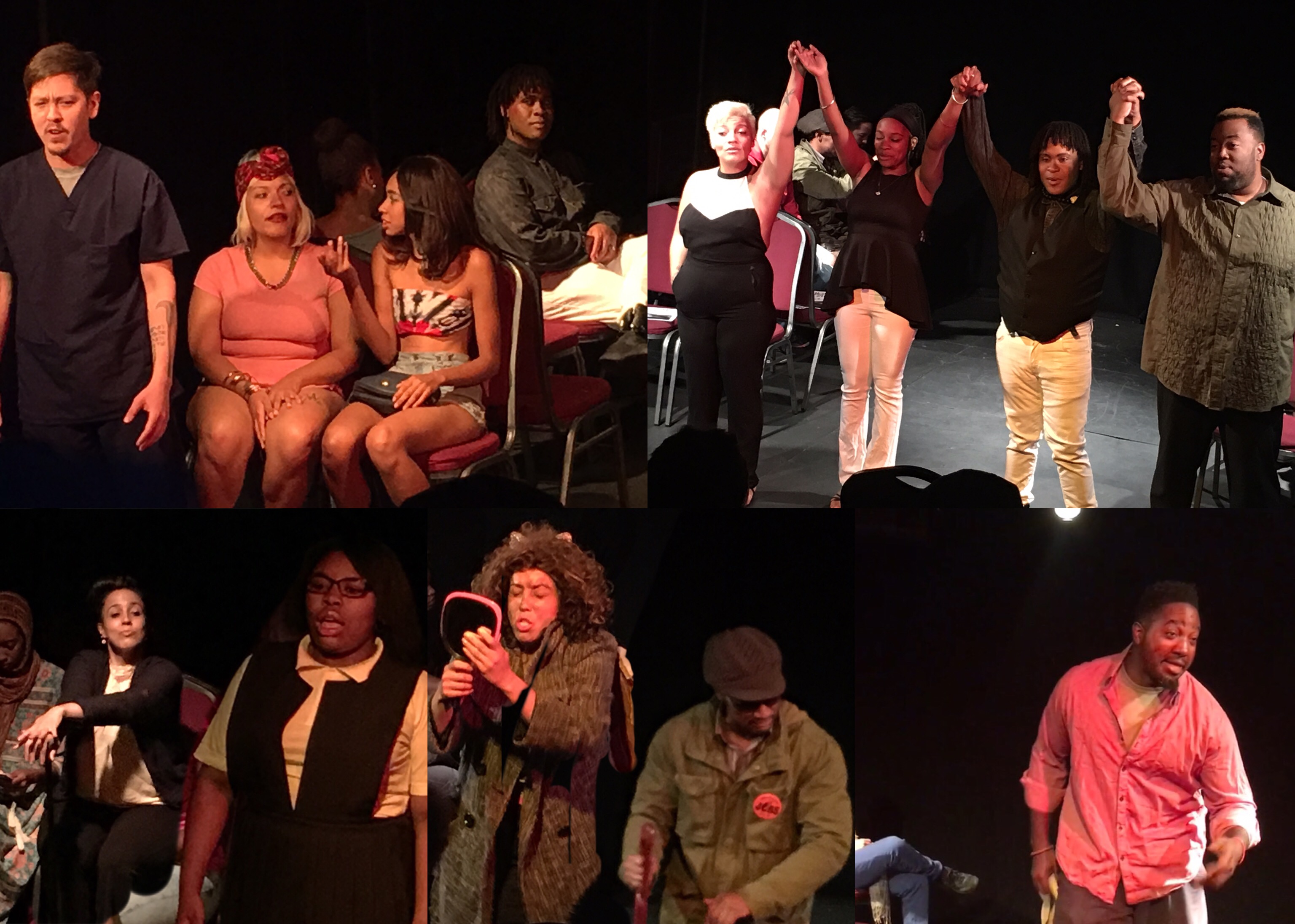
October was a month to remember as Run Boy Run Productions of CultureTrust Greater Philadelphia had projects running in not one but two parts of Pennsylvania but also how both projects stand tall to be about social issues within communities of today and that is domestic violence and abuse.
Starting off with Boomerang as it previewed works from the performance piece at the Koresh Dance Showcase. With a story that has never been told, Boomerang is one to bring focus to how children are affected by abuse of in a family specifically African American male as it can often be something that molds them in belief that these actions are how you are suppose to be or want to treat someone even into adulthood. Truth is this story is not limiting and is real in many communities and whit every piece as they unfold many will watch and see someone in this maybe even themselves and understand the need of raising a family under a positive roof can be the true focus for a positive youth.
Our other play Mississippi Smiles has been making a move since its birth from paper a year ago. With a focus on domestic violence and abuse as it effects women that transition from heterosexual to the lgbtq community it brings a big focus as to how it’s often about what baggage we choose to keep in our lives then recognizing how to heal first.
With an all star cast and director to match, Mississippi Smiles was a sold out show and had many wanting more. The understanding of domestic violence and abuse awareness is to see that it’s effects can be felt in many ways, shapes and forms and for us we are glad to bring stories to life that generate not just thought but conversation.
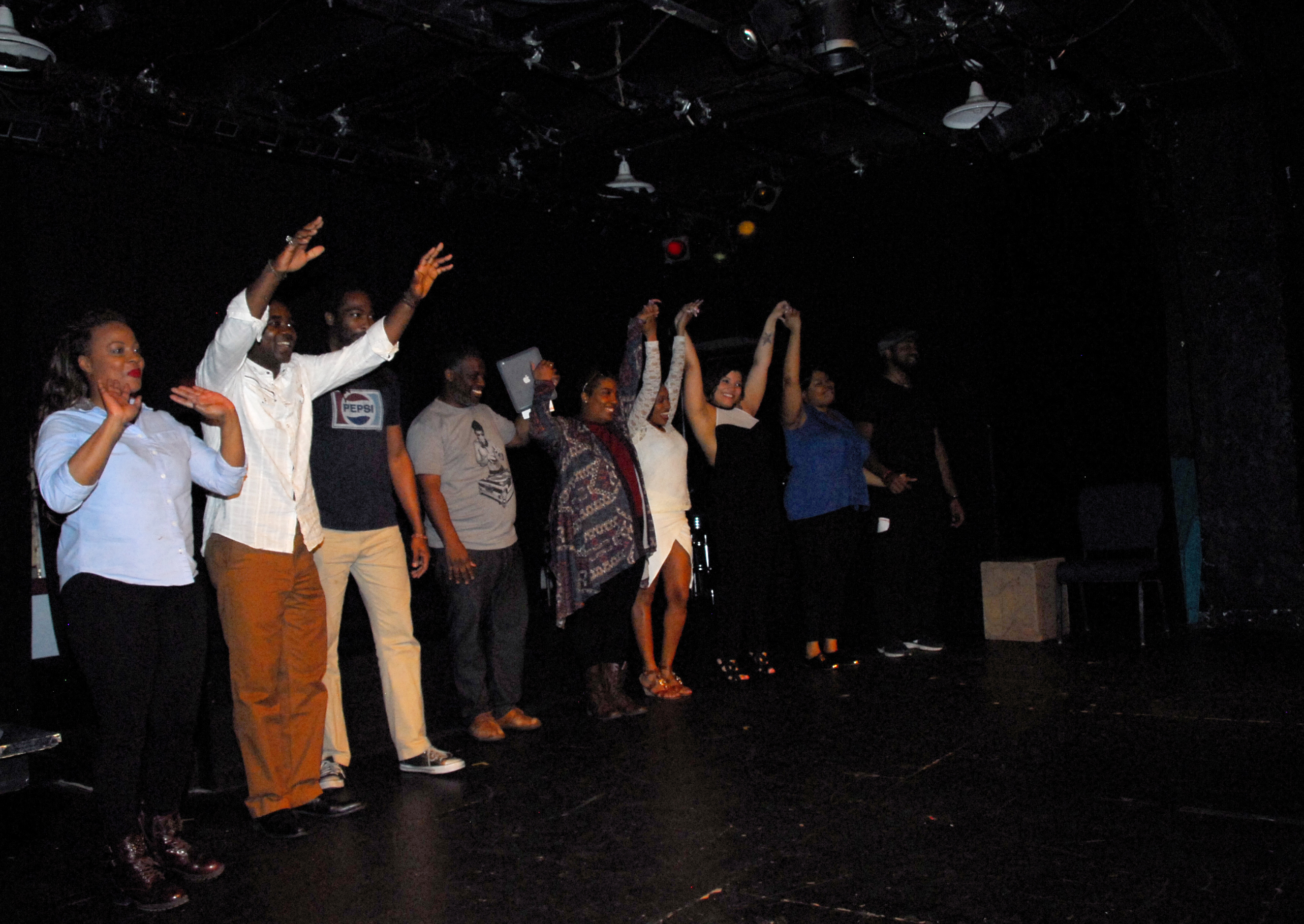
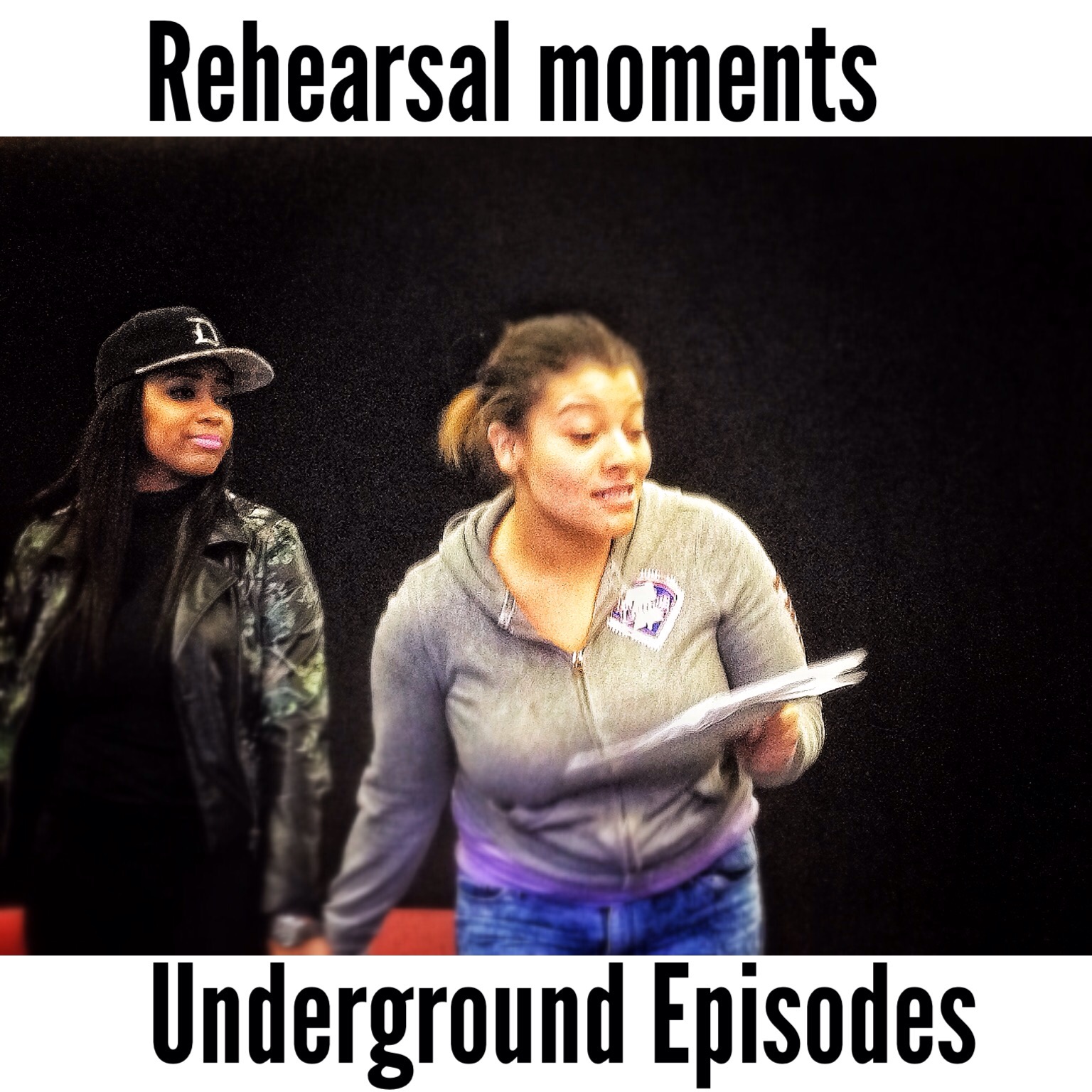
Over the weekend we wrapped up underground episode. This was a test on how to run a show for two weeks and I must say there was a lot to be learned but it is definitely worth it. First things first, the cast compose of both veterans and newbies with a short timeframe of two months to learn probably one of the most challenging work that some of them have been a part of. For many including myself it was jumping from one production to another that was a challenge however for others it was just coming in and beginning the task at hand.
This time around we utilized collaborating with makeup artist Andrea Blassingame to create the looks, set up radio time for interviews, bloggers, and paid advertising in the metro Philly to get the word out on the production. We also utilized the site which the facility used instead of going the eventbrite way.
It was scary but I had to see what we could do and the end result turned out to be what we wanted. Now we are gearing up for next year to actually take advantage of all we learned.
The beauty of it all was swing how no matter what RunBoyRunProduction still continues to grow as a family and in the end this makes for good business.
In a place that was once the Women’s Kensington Hospital the ancestry of women speak. Drum like a lady Latrice and Jamillah allowed the sounds of the drum to bring in the spirits as the crowd couldn’t help but participate as the heard the drum of the mothers like it was the heart beat of our beginning of rhythm. Showing us rhythm through beat boxing bring the people together through life of rhythm.
But song can be created through woven rhythm as well as Lynda Grace shows in her she utilizes fiber woven vessels to create a medium ancestry speaking from a past life of mothers wombs to life’s moments of meeting individuals from scrap metal collectors to the black lives matters experience. Beginning from the grandmother showing her and watching her knit, her knitting was a form of community seeing that words can build a shield.
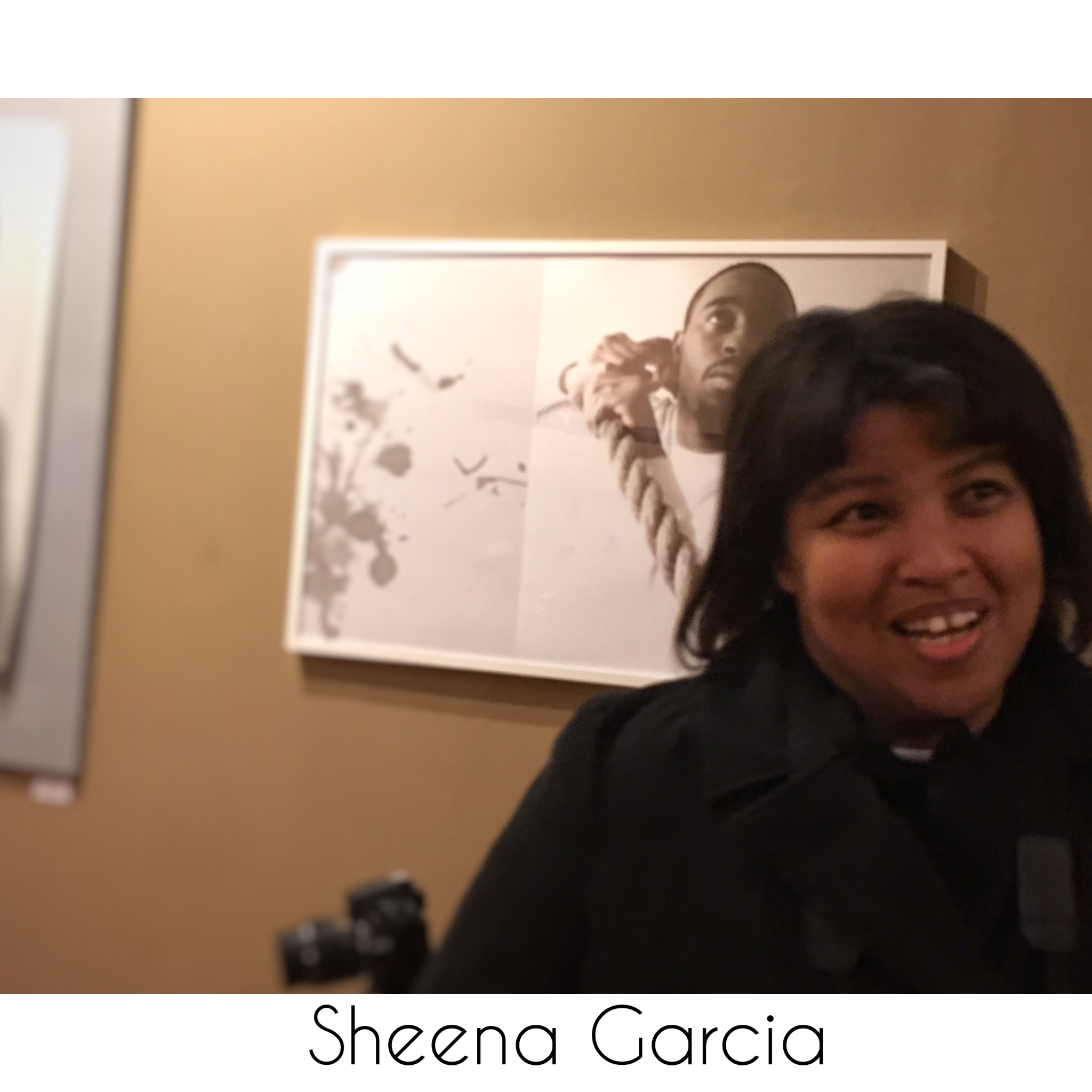
Although they have meet in conjunction with this project the art that speaks through Lynda’s has has extended into the photography of Sheenas.
Sheena Garcia speaks through pictures with stories ranging from single mothers protecting their sons and seeing the need to hold on to a sons life with a black and white imagery that leaves you understanding why these lives matter.
The owner of this building Betsey Casanas maybe short in stature but her calling as an artist speaks to a higher level as she opens the doorway into her culture with demential artistry that looks as alive as the the cock story tale that began the piece. Engulfed in enjoyment roots energy and culture the people came in the building getting a story fluid with diversity but in the end containing a wholeness that only these women could spin.
Last night was an amazing night as i watch a dream unfold The Collective Mic Arts Cafe birthed from the vision and drive of its creators Tiffani”La Dive” Dean and Jody”True Story” Austin. It was a gathering i am blessed with its wait as many of the Collective family and us that are extension of that came out to show our support to the birth of a creative space made
to bring in artistic creativity of all kinds.With walls laid out with some of the brightest talents the city has to offer. with walls that contained a story within themselves the artistry was speaking in its own tongue as pieces from Giovanni aka Lyrical Thought,Cierra F,Way LaMatrix,Kamau MShele, Alicia Adanna Amira Jenna and MyDeraSpeakMeFree were on display and feature painter Giovanni and Cierra amazed us with there collaborative on set strokes of work that showed us all that when a woman hand speaks you better listen. The open mic was a blaze as artist came out to let loose old and new works of flowmenship that oozed from lips and allowed us to breath new air of words for a first time. But when it came to giving the mic what it needed, the crowed was fixed on the lyrical wordsmith Shyst giving a story that can only be told through rapid insertion and power that he possesses.
When the mic closed the night was far from over as Dj Mitch let the party people get something funky to mingle too as they feed on finger foods and libations that relaxed the night as it was meant too. In the end the Collective has shown all that as artist the time has come for forward progress as black business owners and a place for arts in neighborhoods that deserve to be brought back to life within a continued beginning that will go on for ever…
I must admit that i am in fear of whats to come as those whom i am us to working with have been busy with there own lives and projects. Nevertheless this i am seizing this moment to become the artist i was meant to be and allow others to help me where my fears would probably make me take a back seat and stop this project all together. Happiness is finding the common ground among others and reaching outward and in to understand that the balance to all of this is understanding that you never were alone within a journey that has a true positive focus…
That’s what makes acting so attractive. You get to break all your own rules.”Gerardine Clark”
The beauty of acting is allowing yourself to let go and take on roles that you never thought you would do. In many ways this is your inner voice ready to dive into the unexpected and see if things are possible. In the end it is here when one finds them self and realize that it was always the fear of exploring that held them back that will never do so again.
This is some of the cast members of Underground Episodes and I believe in them. As actors they show they have the will to learn the ability to understand and the talent to stretch further. The FringeArts Festival is there time to shine.. Photo of Jazz Whitonez by; Michael Heyward photography https://www.eventbrite.com/e/underground-episodes-tickets-843570141






 o
o

 Run Boy Run Production