Black theatre, within the rich tapestry of performing arts, serves as a poignant testament to the depth of culture, history, and creativity within the black community. From the groundbreaking narratives of August Wilson to the contemporary innovations of playwrights like Tarell Alvin McCraney, black theatre resonates with audiences and amplifies essential stories. Yet, behind each captivating stage production lies an often-overlooked process: the crucial readings and rehearsals that refine and shape the final performance.
Before a play graces the spotlight, it embarks on a developmental journey critical for black theatre’s authenticity and impact. Readings, workshops, and rehearsals provide a platform for playwrights, directors, and actors to delve into themes, characters, and dialogue with depth and nuance. Particularly for black theatre, these early stages hold immense significance, allowing artists to explore complex issues of identity, race, and social justice authentically.
The necessity for black theatre readings arises from a commitment to ensuring accurate and respectful representation of black, brown, and LGBTQ communities. Through collaborative table reads and workshops, artists refine scripts, tackle challenging themes, and celebrate the diverse perspectives within the black diaspora. These readings serve as incubators for creativity and dialogue, empowering artists to elevate their craft and contribute meaningfully to the artistic landscape.
Moreover, black theatre readings offer a vital platform for emerging playwrights and performers to showcase their talents and amplify their voices. In an industry where opportunities for minority artists can be scarce, these readings provide essential connections with mentors, collaborators, and audiences. By championing diversity and inclusivity throughout the creative process, black theatre readings enrich the artistic community and foster greater representation and equity.
In addition to honoring the significance of readings, it’s essential to celebrate the contributions of black, brown, and LGBTQ writers and performers in theatre. Often marginalized or overlooked, these trailblazing artists have shaped and enriched black theatre with their extraordinary talents. From luminaries like Lorraine Hansberry to Sidney Poitier, their voices deserve recognition and celebration.
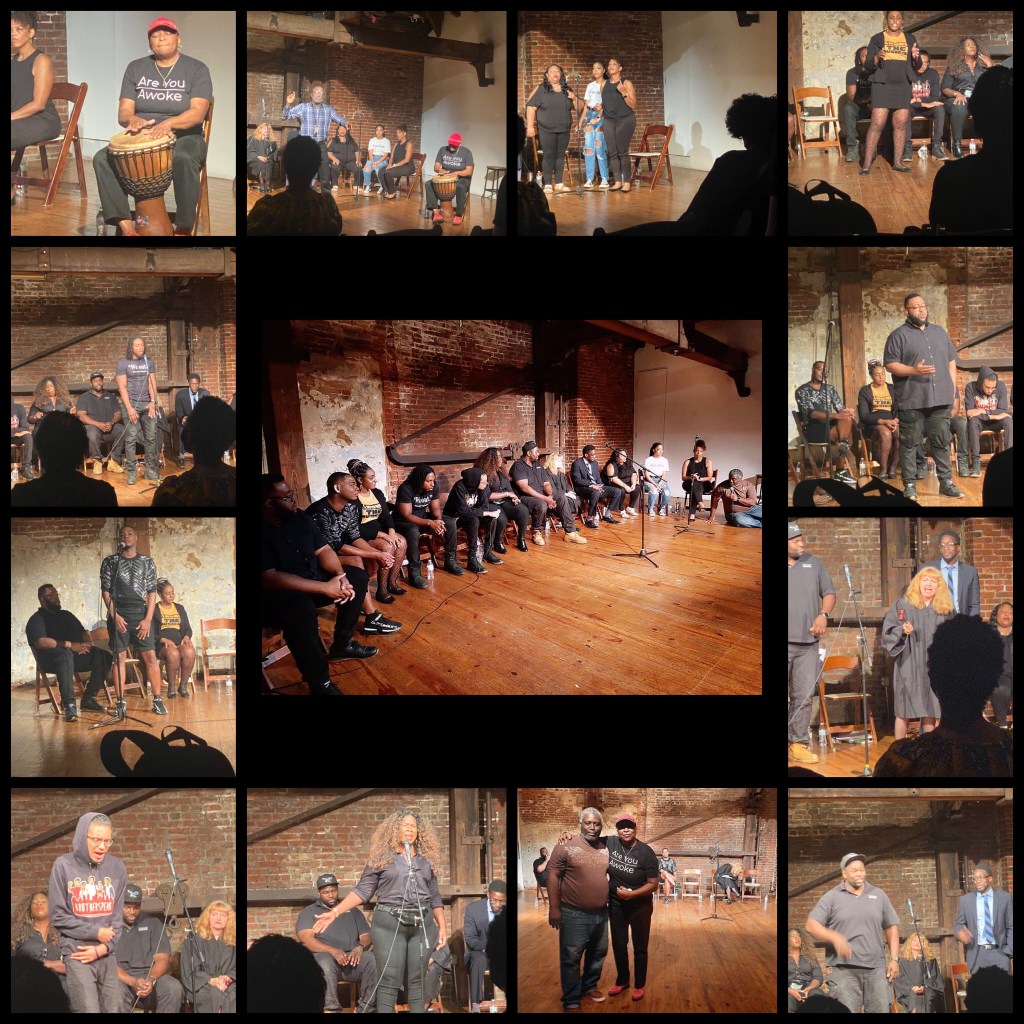
Our commitment to black theatre extends beyond homage to classic works; it encompasses nurturing new talent and amplifying underrepresented voices. By providing opportunities for Philadelphia theatre makers to direct and narrate readings of Broadway classics, we broaden the scope of inclusivity and creativity within the industry. These readings not only provide a platform for aspiring actors but also inspire audiences to witness the next generation of theatre talent.
In conclusion, black theatre readings are not merely a precursor to the final performance; they are an integral part of the creative journey, fostering collaboration, dialogue, and discovery. By embracing readings and honoring diverse talent, we ensure the continued vibrancy and relevance of black theatre in the performing arts landscape. Let us raise our voices, celebrate achievements, and embrace the transformative power of black theatre as we eagerly anticipate the next chapter of its evolution.
In the vibrant landscape of American theater, there exists a captivating duality – African-American theater and Black theater. These two entities share a common thread of representing the Black experience, yet they differ in subtle but meaningful ways. Both these theaters face unique challenges within an industry that has often marginalized them, making it crucial to examine how they coexist while persevering in a narrative that has often overlooked their voices.
Defining African-American Theater and Black Theater
African-American theater, in its essence, refers to the theater that centers on the experiences, stories, and culture of African-Americans. It has roots in the struggle for civil rights and social justice, with historical figures like Lorraine Hansberry and August Wilson making significant contributions. African-American theater often tackles issues of racial identity, discrimination, and the fight for equality.
On the other hand, Black theater takes a more encompassing approach. It doesn’t limit itself to African-Americans but extends its reach to encompass the entire African diaspora. Black theater explores the shared experiences of Black people worldwide, transcending geographical boundaries. This broader perspective allows Black theater to connect with an even wider audience and tackle a variety of global issues related to Black culture.
Coexistence in the Theater World
The theater world, often criticized for its lack of diversity and opportunities for Black artists, has begun to recognize the importance of both African-American and Black theater. These distinct forms of expression coexist by occupying different niches within the industry. African-American theater remains a vital tool for addressing the specific struggles faced by African-Americans in the United States. In contrast, Black theater, with its global focus, provides a platform to celebrate the rich and diverse tapestry of the Black experience worldwide.
Challenges and Triumphs
Both African-American theater and Black theater face unique challenges. These challenges, however, have not deterred their perseverance.
Representation: The fight for representation in theater is ongoing. Both African-American and Black theater have struggled to secure their rightful place on the stage, but they persist in sharing stories that need to be told.
Funding and Resources: Access to funding and resources remains a challenge. Despite this, dedicated artists have found innovative ways to produce remarkable work, such as crowdfunding and community support.
Recognition: Achieving recognition for their contributions can be an uphill battle. However, accolades and awards for actors, directors, and playwrights from these theaters continue to grow, providing well-deserved recognition for their talent and dedication.
The Survival of the Black Experience in American Theater
The Black experience is both resilient and transformative. It continues to evolve, adapt, and persevere in the narrative of American theater. African-American and Black theaters play a pivotal role in this narrative, ensuring that the stories of Black people are not just heard but celebrated. Their existence challenges the industry to become more inclusive and open to diverse narratives.
In conclusion, the difference between African-American theater and Black theater is rooted in scope and perspective. They coexist as vital contributors to American theater, making space for underrepresented voices and celebrating the rich tapestry of Black experiences. Together, they defy the industry’s tendency to look from the outside in and pave the way for a more inclusive and diverse theater landscape in America. The Black experience is not just surviving but thriving in the ever-evolving narrative of American theater.
Title: Navigating the Duality: African-American Theater vs. Black Theater
In the vibrant landscape of American theater, there exists a captivating duality – African-American theater and Black theater. These two entities share a common thread of representing the Black experience, yet they differ in subtle but meaningful ways. Both these theaters face unique challenges within an industry that has often marginalized them, making it crucial to examine how they coexist while persevering in a narrative that has often overlooked their voices.
Defining African-American Theater and Black Theater
African-American theater, in its essence, refers to the theater that centers on the experiences, stories, and culture of African-Americans. It has roots in the struggle for civil rights and social justice, with historical figures like Lorraine Hansberry and August Wilson making significant contributions. African-American theater often tackles issues of racial identity, discrimination, and the fight for equality.
On the other hand, Black theater takes a more encompassing approach. It doesn’t limit itself to African-Americans but extends its reach to encompass the entire African diaspora. Black theater explores the shared experiences of Black people worldwide, transcending geographical boundaries. This broader perspective allows Black theater to connect with an even wider audience and tackle a variety of global issues related to Black culture.
Coexistence in the Theater World
The theater world, often criticized for its lack of diversity and opportunities for Black artists, has begun to recognize the importance of both African-American and Black theater. These distinct forms of expression coexist by occupying different niches within the industry. African-American theater remains a vital tool for addressing the specific struggles faced by African-Americans in the United States. In contrast, Black theater, with its global focus, provides a platform to celebrate the rich and diverse tapestry of the Black experience worldwide.
Challenges and Triumphs
Both African-American theater and Black theater face unique challenges. These challenges, however, have not deterred their perseverance.
Representation: The fight for representation in theater is ongoing. Both African-American and Black theater have struggled to secure their rightful place on the stage, but they persist in sharing stories that need to be told.
Funding and Resources: Access to funding and resources remains a challenge. Despite this, dedicated artists have found innovative ways to produce remarkable work, such as crowdfunding and community support.
Recognition: Achieving recognition for their contributions can be an uphill battle. However, accolades and awards for actors, directors, and playwrights from these theaters continue to grow, providing well-deserved recognition for their talent and dedication.
The Survival of the Black Experience in American Theater
The Black experience is both resilient and transformative. It continues to evolve, adapt, and persevere in the narrative of American theater. African-American and Black theaters play a pivotal role in this narrative, ensuring that the stories of Black people are not just heard but celebrated. Their existence challenges the industry to become more inclusive and open to diverse narratives.
In conclusion, the difference between African-American theater and Black theater is rooted in scope and perspective. They coexist as vital contributors to American theater, making space for underrepresented voices and celebrating the rich tapestry of Black experiences. Together, they defy the industry’s tendency to look from the outside in and pave the way for a more inclusive and diverse theater landscape in America. The Black experience is not just surviving but thriving in the ever-evolving narrative of American theater.
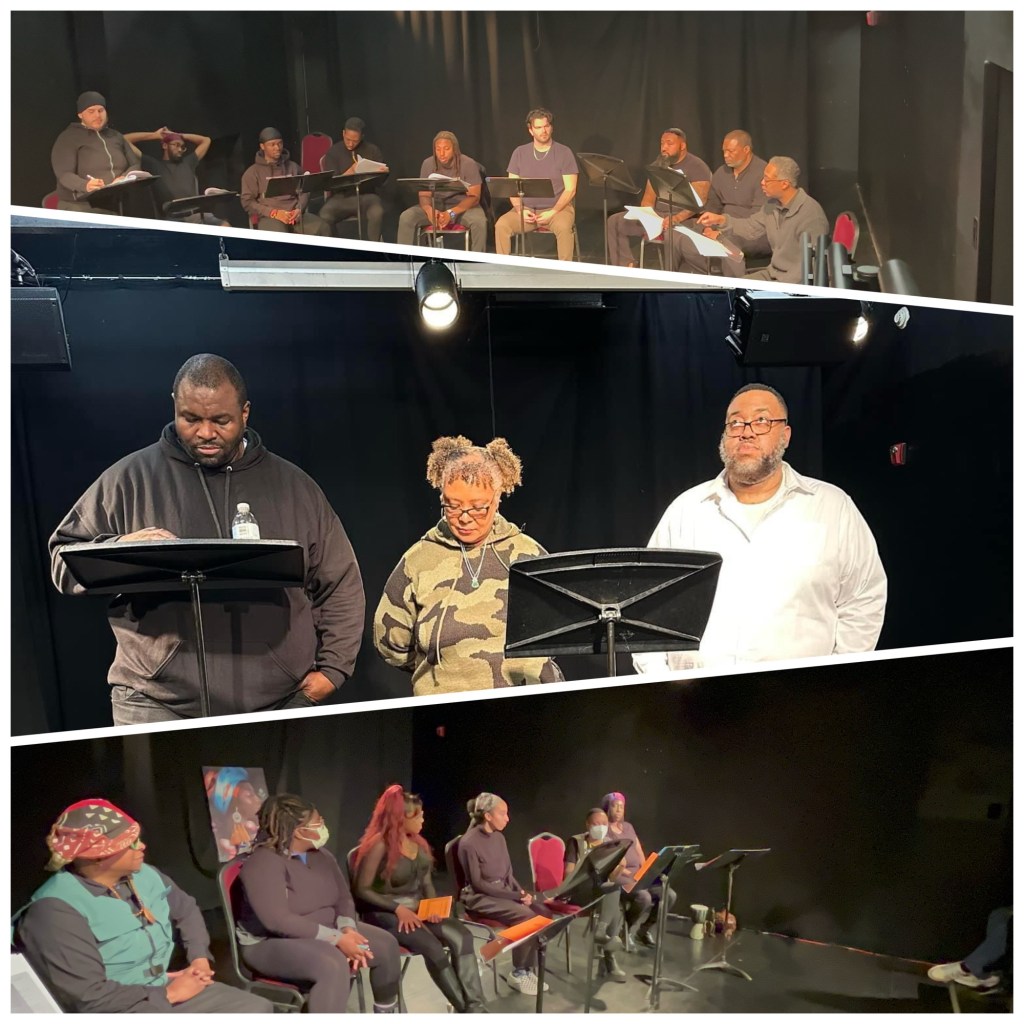
Well people we finally finished the second stage of our musical by doing a reading of selected songs from the play. It’s been work and more too come. We have been in the studio working on the music too release some time this year and are not far from finishing that as well. The goal next is for stage 3 and 4 where we do a conversation with individuals that can tell stories of experiences dealing with the criminal justice system and the other present all the songs at the next philly theatre week in
February. Working on a musical has been a journey but we have learned so much and just too think our final stage will be August/September where the full production will be going up. Stay tuned.
Over the weekend we wrapped up underground episode. This was a test on how to run a show for two weeks and I must say there was a lot to be learned but it is definitely worth it. First things first, the cast compose of both veterans and newbies with a short timeframe of two months to learn probably one of the most challenging work that some of them have been a part of. For many including myself it was jumping from one production to another that was a challenge however for others it was just coming in and beginning the task at hand.
This time around we utilized collaborating with makeup artist Andrea Blassingame to create the looks, set up radio time for interviews, bloggers, and paid advertising in the metro Philly to get the word out on the production. We also utilized the site which the facility used instead of going the eventbrite way.
It was scary but I had to see what we could do and the end result turned out to be what we wanted. Now we are gearing up for next year to actually take advantage of all we learned.
The beauty of it all was swing how no matter what RunBoyRunProduction still continues to grow as a family and in the end this makes for good business.
That’s what makes acting so attractive. You get to break all your own rules.”Gerardine Clark”
The beauty of acting is allowing yourself to let go and take on roles that you never thought you would do. In many ways this is your inner voice ready to dive into the unexpected and see if things are possible. In the end it is here when one finds them self and realize that it was always the fear of exploring that held them back that will never do so again.
We live in a future that the average minority youth believes his life has a limitation. For many that means never seeing pass the ghetto, never imagining themselves as college graduates, never envisioning living, loving, breathing or just being. These thoughts are not limited to black or Latino children but many minority children within inner cities. The need for positive role models should not be limited to sports players or those in entertainment but even the Brother managing a bodega, the brother getting a masters in science to change the world, the brother working as a teacher in a system that wants to give up on children and the brother sitting in the park with his kids and lady teaching them how to ride a bike. Truth is these are the images that can change a life, these are images that resemble real life, these are the images many need to understand these men have a strive worth becoming why because it involves integrity, consciousness and wanting to build. These are images that speak choice and tell you what you can become and that you can climb out of the syndrome of lost souls…
“Underground Episodes” part of the FringeArtsFestival playing at the Philadelphia Art Alliance
Last night my cousins came over for a teleconference which was filled with good news. It’s nice when you connect with like minded people that are about lifting each other out the barrel over stepping on and over you. For a business such as entertainment it is believed that most people utilizing the theory to do for self over doing for each other first. Truth is in entertainment there are communities of people that help each other look at Ben Affleck, Kevin Smith, and Matt Damon they used a friendship to help build there careers and with that understand the strength in numbers spirit is simple working towards one goal with others can prove to be better link made on a chain.
Last night was a great night me and a few members of the cast went on The Drop blog talk radio show which was great. Last nights theme was memorable moments of the 90’s and 2000’s. This was a great moment to plug the play and have some fun with the cast. In the long run it was well enjoyed an a great way to see how each individual responds to the challenge of spotlight moments both big and small. After all you never know when your time to shine may come.
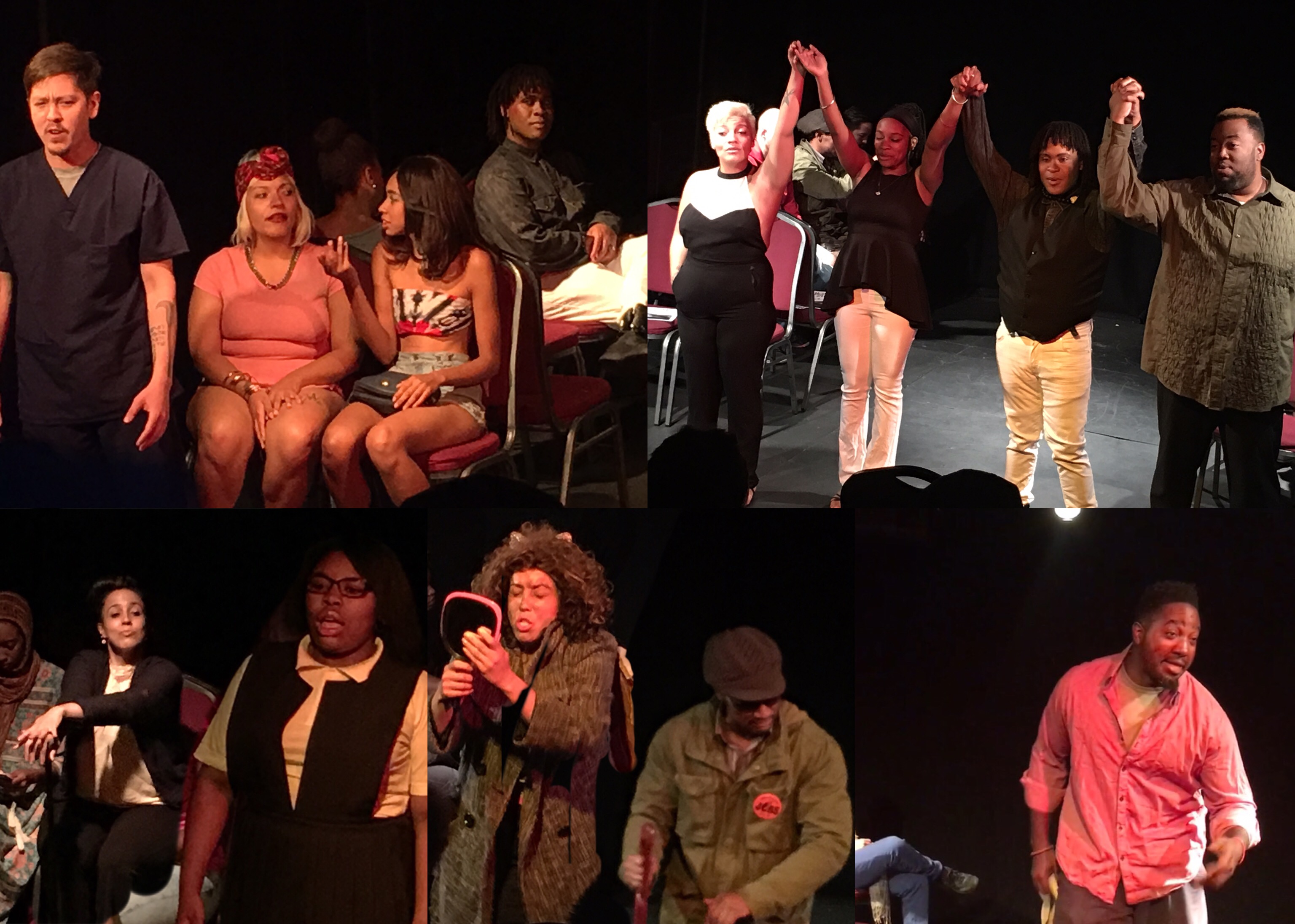
This is some of the cast members of Underground Episodes and I believe in them. As actors they show they have the will to learn the ability to understand and the talent to stretch further. The FringeArts Festival is there time to shine.. Photo of Jazz Whitonez by; Michael Heyward photography https://www.eventbrite.com/e/underground-episodes-tickets-843570141
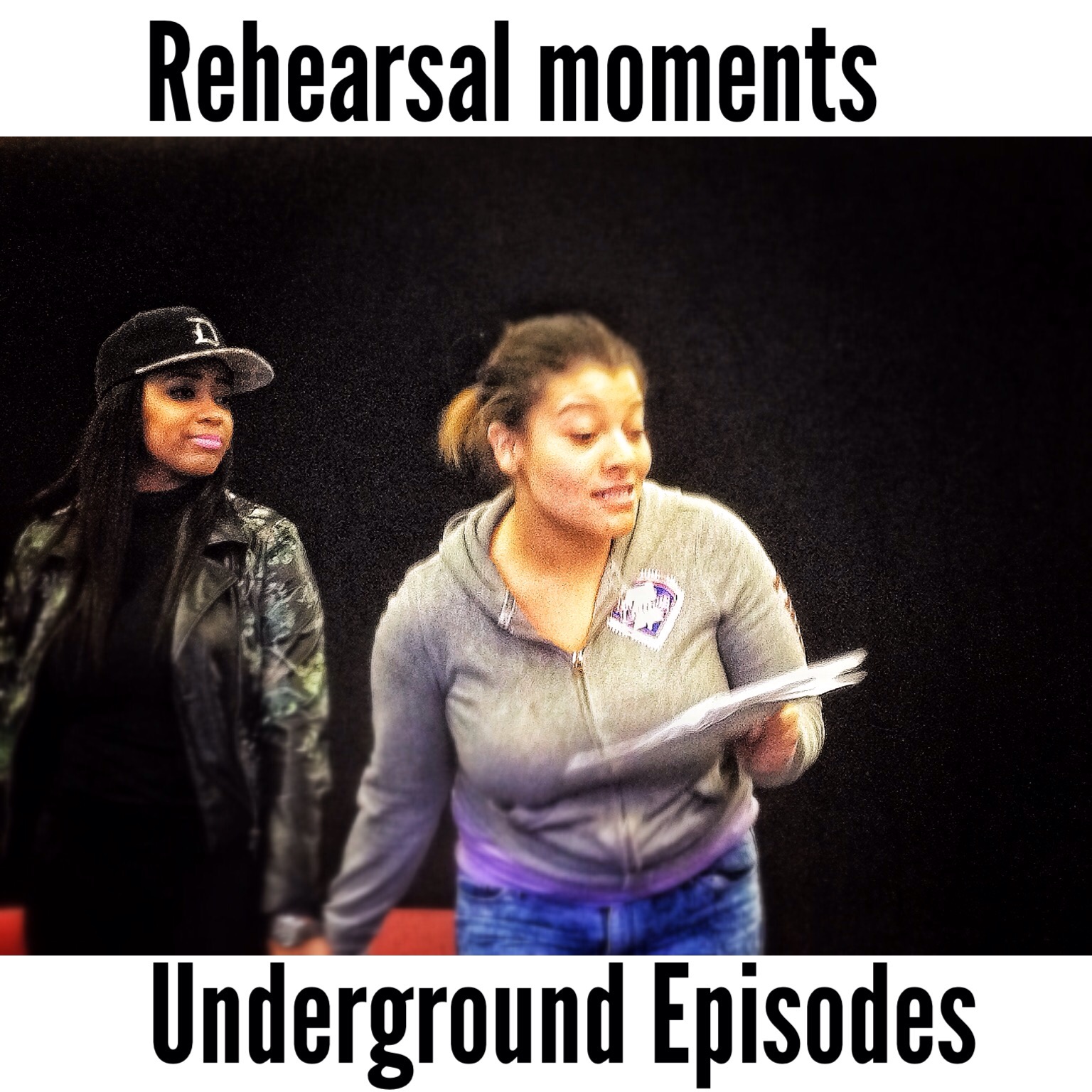
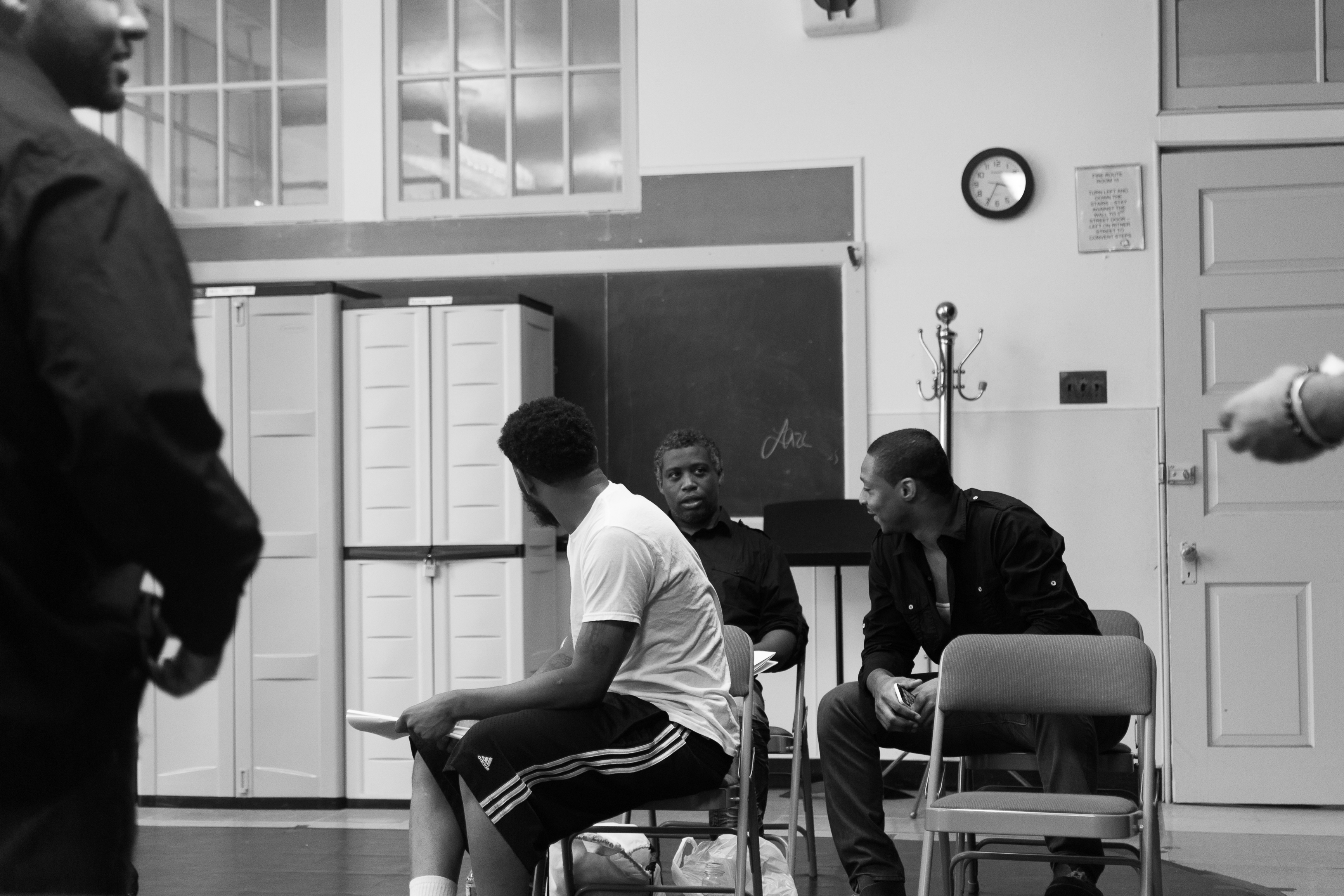
Yesterday was a great day at rehersal. It was the beginning of going over the first 6 scenes of the play. It felt good watching the cast coming into play with their parts, utilizing the vision of imagination to see a subway scene that was not there and improvising aqctions jestures and words to help bring life to their characters and to scenes even when all they had to do is be onseekers to rachetness or two young brothers listening to elders telling them what to do or a lover that needed to come to a point of understanding that her man needs her.
I am blessed to see the blend of poets and actors ready to take the challenge and show the world a vision that i have been dreaming of brought to life. The challenge has begun and the FringeArts Festival is in the distance waiting for us. Now all we ask, will you be a passenger on this ride as well….






 Run Boy Run Production