
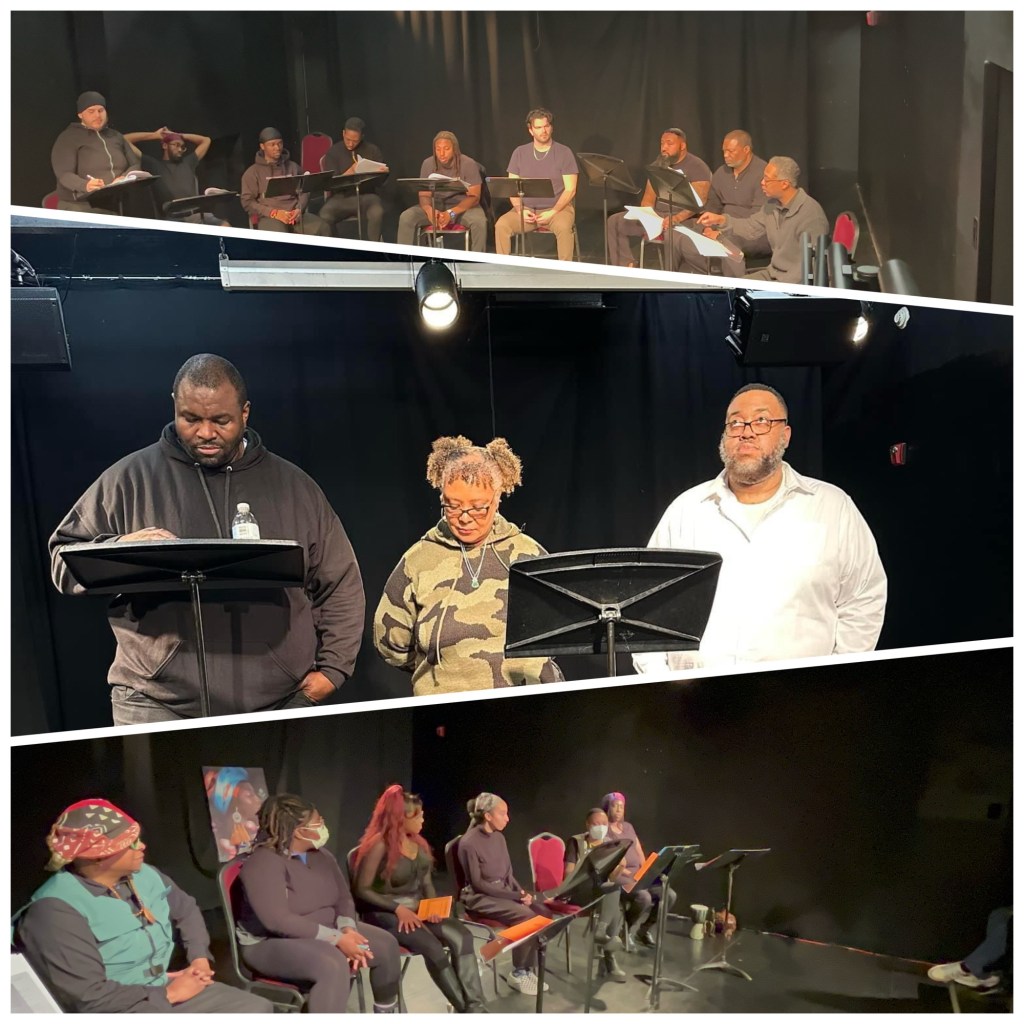
Black theatre, within the rich tapestry of performing arts, serves as a poignant testament to the depth of culture, history, and creativity within the black community. From the groundbreaking narratives of August Wilson to the contemporary innovations of playwrights like Tarell Alvin McCraney, black theatre resonates with audiences and amplifies essential stories. Yet, behind each captivating stage production lies an often-overlooked process: the crucial readings and rehearsals that refine and shape the final performance.
Before a play graces the spotlight, it embarks on a developmental journey critical for black theatre’s authenticity and impact. Readings, workshops, and rehearsals provide a platform for playwrights, directors, and actors to delve into themes, characters, and dialogue with depth and nuance. Particularly for black theatre, these early stages hold immense significance, allowing artists to explore complex issues of identity, race, and social justice authentically.
The necessity for black theatre readings arises from a commitment to ensuring accurate and respectful representation of black, brown, and LGBTQ communities. Through collaborative table reads and workshops, artists refine scripts, tackle challenging themes, and celebrate the diverse perspectives within the black diaspora. These readings serve as incubators for creativity and dialogue, empowering artists to elevate their craft and contribute meaningfully to the artistic landscape.
Moreover, black theatre readings offer a vital platform for emerging playwrights and performers to showcase their talents and amplify their voices. In an industry where opportunities for minority artists can be scarce, these readings provide essential connections with mentors, collaborators, and audiences. By championing diversity and inclusivity throughout the creative process, black theatre readings enrich the artistic community and foster greater representation and equity.
In addition to honoring the significance of readings, it’s essential to celebrate the contributions of black, brown, and LGBTQ writers and performers in theatre. Often marginalized or overlooked, these trailblazing artists have shaped and enriched black theatre with their extraordinary talents. From luminaries like Lorraine Hansberry to Sidney Poitier, their voices deserve recognition and celebration.
Our commitment to black theatre extends beyond homage to classic works; it encompasses nurturing new talent and amplifying underrepresented voices. By providing opportunities for Philadelphia theatre makers to direct and narrate readings of Broadway classics, we broaden the scope of inclusivity and creativity within the industry. These readings not only provide a platform for aspiring actors but also inspire audiences to witness the next generation of theatre talent.
In conclusion, black theatre readings are not merely a precursor to the final performance; they are an integral part of the creative journey, fostering collaboration, dialogue, and discovery. By embracing readings and honoring diverse talent, we ensure the continued vibrancy and relevance of black theatre in the performing arts landscape. Let us raise our voices, celebrate achievements, and embrace the transformative power of black theatre as we eagerly anticipate the next chapter of its evolution.


 Run Boy Run Production