Black theatre, within the rich tapestry of performing arts, serves as a poignant testament to the depth of culture, history, and creativity within the black community. From the groundbreaking narratives of August Wilson to the contemporary innovations of playwrights like Tarell Alvin McCraney, black theatre resonates with audiences and amplifies essential stories. Yet, behind each captivating stage production lies an often-overlooked process: the crucial readings and rehearsals that refine and shape the final performance.
Before a play graces the spotlight, it embarks on a developmental journey critical for black theatre’s authenticity and impact. Readings, workshops, and rehearsals provide a platform for playwrights, directors, and actors to delve into themes, characters, and dialogue with depth and nuance. Particularly for black theatre, these early stages hold immense significance, allowing artists to explore complex issues of identity, race, and social justice authentically.
The necessity for black theatre readings arises from a commitment to ensuring accurate and respectful representation of black, brown, and LGBTQ communities. Through collaborative table reads and workshops, artists refine scripts, tackle challenging themes, and celebrate the diverse perspectives within the black diaspora. These readings serve as incubators for creativity and dialogue, empowering artists to elevate their craft and contribute meaningfully to the artistic landscape.
Moreover, black theatre readings offer a vital platform for emerging playwrights and performers to showcase their talents and amplify their voices. In an industry where opportunities for minority artists can be scarce, these readings provide essential connections with mentors, collaborators, and audiences. By championing diversity and inclusivity throughout the creative process, black theatre readings enrich the artistic community and foster greater representation and equity.
In addition to honoring the significance of readings, it’s essential to celebrate the contributions of black, brown, and LGBTQ writers and performers in theatre. Often marginalized or overlooked, these trailblazing artists have shaped and enriched black theatre with their extraordinary talents. From luminaries like Lorraine Hansberry to Sidney Poitier, their voices deserve recognition and celebration.
Our commitment to black theatre extends beyond homage to classic works; it encompasses nurturing new talent and amplifying underrepresented voices. By providing opportunities for Philadelphia theatre makers to direct and narrate readings of Broadway classics, we broaden the scope of inclusivity and creativity within the industry. These readings not only provide a platform for aspiring actors but also inspire audiences to witness the next generation of theatre talent.
In conclusion, black theatre readings are not merely a precursor to the final performance; they are an integral part of the creative journey, fostering collaboration, dialogue, and discovery. By embracing readings and honoring diverse talent, we ensure the continued vibrancy and relevance of black theatre in the performing arts landscape. Let us raise our voices, celebrate achievements, and embrace the transformative power of black theatre as we eagerly anticipate the next chapter of its evolution.
The creative process is an intensely personal and intricate journey, where every artist brings their distinct perspective and life experiences to their craft. For Black creatives, this journey is laced with layers of complexity, rooted in a rich cultural heritage, a history of resilience, and the ongoing struggle for equity. In this blog, I want to share the deeply personal process of writing as a Black creative, shedding light on the challenges, inspirations, and the powerful voices that arise from this unique vantage point.
1. Drawing Inspiration from My Cultural Heritage
I often draw inspiration from my rich cultural heritage, which encompasses a diverse range of experiences, from African traditions and history to the African diaspora. These cultural roots infuse my work with a deep sense of identity and pride. Authors like Chimamanda Ngozi Adichie and Ta-Nehisi Coates have beautifully shown how their African and African-American backgrounds influence their storytelling, and I resonate with this on a personal level.
2. Navigating Complex Themes
As a Black creative, writing involves confronting complex themes like identity, racism, social injustice, and historical trauma. These themes are central to my creative process, and I use my work as a platform to shed light on these issues. Books like “Between the World and Me” by Ta-Nehisi Coates and “The Hate U Give” by Angie Thomas deeply impact me, as they delve into racial injustice and offer powerful perspectives that resonate with my own experiences.
3. Challenging Stereotypes
I often find myself in the position of challenging stereotypes and misconceptions about the Black community. My writing serves as a tool to dismantle harmful narratives and provide more accurate portrayals of Black individuals. Maya Angelou’s autobiographical series, starting with “I Know Why the Caged Bird Sings,” does this beautifully, portraying the complexities of life and identity in a way that I can personally relate to.
4. Advocating for Diversity in Publishing
The publishing industry has had a long history of lacking diversity, both in terms of authors and the stories it represents. As a Black creative, I am actively working to change this by advocating for more inclusivity and opportunities for underrepresented voices. Initiatives like #PublishingPaidMe have exposed disparities in book advances, and I am committed to being part of the solution in making the industry more equitable.
5. Embracing Resilience and Perseverance
My journey as a Black creative often comes with unique challenges, including combating stereotypes and confronting systemic biases. However, my stories are also a testament to resilience and perseverance. Authors like Toni Morrison, Langston Hughes, and Zora Neale Hurston faced adversity head-on, creating timeless works that continue to inspire me in my own writing journey.
Conclusion
Writing as a Black creative is a deeply personal and multifaceted journey filled with inspiration, challenges, and the opportunity to reshape narratives. By drawing from my cultural heritage, addressing complex themes, and advocating for diversity, I am crafting a literary landscape that celebrates the richness of my experiences and the power of my voice. My stories are not just about the Black experience but are universally resonant, reminding us of the strength and creativity that emerges from embracing one’s identity and fighting for a more inclusive world.
In addition, my journey often involves collaboration, working with co-creators who share the same goals and mission. The evolution of our writing over the years is a testament to the ever-changing landscape of life and art, reflecting the shifting dynamics of the world and our own personal growth.
In the end, the journey of writing as a Black creative is not only about creating stories but also about making a difference, pushing boundaries, and leaving a lasting impact on literature and society. It’s a journey that embodies the spirit of personal resilience, unity, and the power of words to inspire change.
In the vibrant landscape of American theater, there exists a captivating duality – African-American theater and Black theater. These two entities share a common thread of representing the Black experience, yet they differ in subtle but meaningful ways. Both these theaters face unique challenges within an industry that has often marginalized them, making it crucial to examine how they coexist while persevering in a narrative that has often overlooked their voices.
Defining African-American Theater and Black Theater
African-American theater, in its essence, refers to the theater that centers on the experiences, stories, and culture of African-Americans. It has roots in the struggle for civil rights and social justice, with historical figures like Lorraine Hansberry and August Wilson making significant contributions. African-American theater often tackles issues of racial identity, discrimination, and the fight for equality.
On the other hand, Black theater takes a more encompassing approach. It doesn’t limit itself to African-Americans but extends its reach to encompass the entire African diaspora. Black theater explores the shared experiences of Black people worldwide, transcending geographical boundaries. This broader perspective allows Black theater to connect with an even wider audience and tackle a variety of global issues related to Black culture.
Coexistence in the Theater World
The theater world, often criticized for its lack of diversity and opportunities for Black artists, has begun to recognize the importance of both African-American and Black theater. These distinct forms of expression coexist by occupying different niches within the industry. African-American theater remains a vital tool for addressing the specific struggles faced by African-Americans in the United States. In contrast, Black theater, with its global focus, provides a platform to celebrate the rich and diverse tapestry of the Black experience worldwide.
Challenges and Triumphs
Both African-American theater and Black theater face unique challenges. These challenges, however, have not deterred their perseverance.
Representation: The fight for representation in theater is ongoing. Both African-American and Black theater have struggled to secure their rightful place on the stage, but they persist in sharing stories that need to be told.
Funding and Resources: Access to funding and resources remains a challenge. Despite this, dedicated artists have found innovative ways to produce remarkable work, such as crowdfunding and community support.
Recognition: Achieving recognition for their contributions can be an uphill battle. However, accolades and awards for actors, directors, and playwrights from these theaters continue to grow, providing well-deserved recognition for their talent and dedication.
The Survival of the Black Experience in American Theater
The Black experience is both resilient and transformative. It continues to evolve, adapt, and persevere in the narrative of American theater. African-American and Black theaters play a pivotal role in this narrative, ensuring that the stories of Black people are not just heard but celebrated. Their existence challenges the industry to become more inclusive and open to diverse narratives.
In conclusion, the difference between African-American theater and Black theater is rooted in scope and perspective. They coexist as vital contributors to American theater, making space for underrepresented voices and celebrating the rich tapestry of Black experiences. Together, they defy the industry’s tendency to look from the outside in and pave the way for a more inclusive and diverse theater landscape in America. The Black experience is not just surviving but thriving in the ever-evolving narrative of American theater.
Title: Navigating the Duality: African-American Theater vs. Black Theater
In the vibrant landscape of American theater, there exists a captivating duality – African-American theater and Black theater. These two entities share a common thread of representing the Black experience, yet they differ in subtle but meaningful ways. Both these theaters face unique challenges within an industry that has often marginalized them, making it crucial to examine how they coexist while persevering in a narrative that has often overlooked their voices.
Defining African-American Theater and Black Theater
African-American theater, in its essence, refers to the theater that centers on the experiences, stories, and culture of African-Americans. It has roots in the struggle for civil rights and social justice, with historical figures like Lorraine Hansberry and August Wilson making significant contributions. African-American theater often tackles issues of racial identity, discrimination, and the fight for equality.
On the other hand, Black theater takes a more encompassing approach. It doesn’t limit itself to African-Americans but extends its reach to encompass the entire African diaspora. Black theater explores the shared experiences of Black people worldwide, transcending geographical boundaries. This broader perspective allows Black theater to connect with an even wider audience and tackle a variety of global issues related to Black culture.
Coexistence in the Theater World
The theater world, often criticized for its lack of diversity and opportunities for Black artists, has begun to recognize the importance of both African-American and Black theater. These distinct forms of expression coexist by occupying different niches within the industry. African-American theater remains a vital tool for addressing the specific struggles faced by African-Americans in the United States. In contrast, Black theater, with its global focus, provides a platform to celebrate the rich and diverse tapestry of the Black experience worldwide.
Challenges and Triumphs
Both African-American theater and Black theater face unique challenges. These challenges, however, have not deterred their perseverance.
Representation: The fight for representation in theater is ongoing. Both African-American and Black theater have struggled to secure their rightful place on the stage, but they persist in sharing stories that need to be told.
Funding and Resources: Access to funding and resources remains a challenge. Despite this, dedicated artists have found innovative ways to produce remarkable work, such as crowdfunding and community support.
Recognition: Achieving recognition for their contributions can be an uphill battle. However, accolades and awards for actors, directors, and playwrights from these theaters continue to grow, providing well-deserved recognition for their talent and dedication.
The Survival of the Black Experience in American Theater
The Black experience is both resilient and transformative. It continues to evolve, adapt, and persevere in the narrative of American theater. African-American and Black theaters play a pivotal role in this narrative, ensuring that the stories of Black people are not just heard but celebrated. Their existence challenges the industry to become more inclusive and open to diverse narratives.
In conclusion, the difference between African-American theater and Black theater is rooted in scope and perspective. They coexist as vital contributors to American theater, making space for underrepresented voices and celebrating the rich tapestry of Black experiences. Together, they defy the industry’s tendency to look from the outside in and pave the way for a more inclusive and diverse theater landscape in America. The Black experience is not just surviving but thriving in the ever-evolving narrative of American theater.
When applying for or attending a theatre casting, actors should keep a few key things in mind:
Preparation is Key: Thoroughly prepare your monologue, song, or scene, depending on the casting requirements. Practice and be ready to perform your best.
Research the Production: Familiarize yourself with the play or musical being cast. Understand the characters, storyline, and the director’s vision for the production.
Professionalism: Present yourself professionally. Arrive on time, be courteous to staff, and come dressed appropriately for the role or in neutral audition attire.
Be Flexible: Be open to direction and adjustments during the audition. Directors may want to see how adaptable you are to their vision.
Confidence: Exude confidence in your performance. Even if you make a mistake, continue without breaking character.
Headshot and Resume: Bring a headshot and a well-organized resume detailing your acting experience and training.
Stay Positive: Rejection is part of the industry. Don’t be discouraged by audition outcomes. Use each experience as an opportunity to learn and grow.
Networking: Build relationships with directors, casting agents, and fellow actors. Networking can lead to future opportunities.
Follow-Up: If you’re interested in a role, send a thank-you note or email after the audition to express your continued interest and appreciation.
Be Yourself: Don’t try to be someone you’re not. Casting directors appreciate authenticity. Show your unique qualities and what makes you a great fit for the role.
Remember that each casting is a chance to showcase your talent, and with persistence and dedication, you can achieve success in the theatre industry.
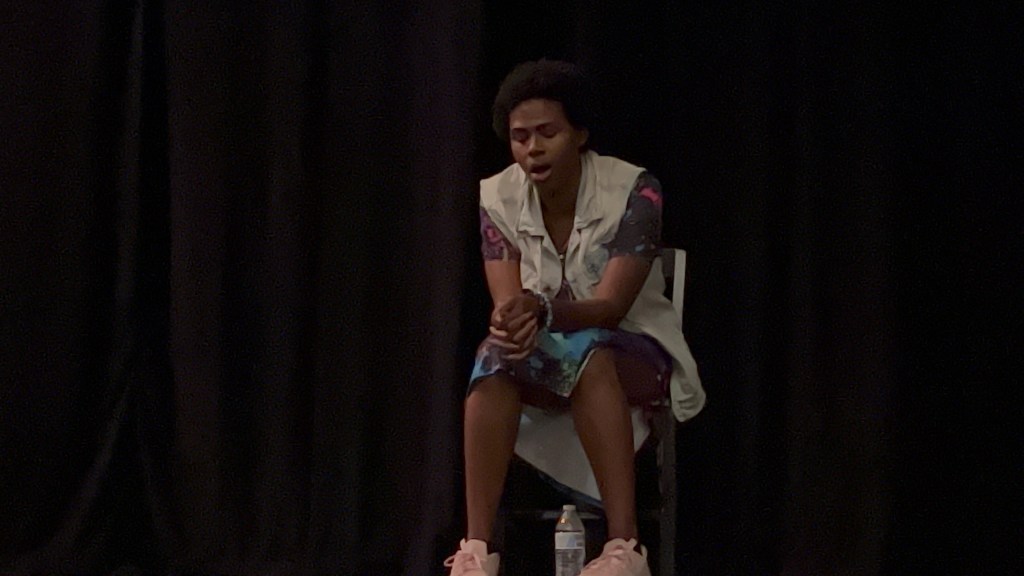
Tasha Holmes at a casting for Plays and Players Presents
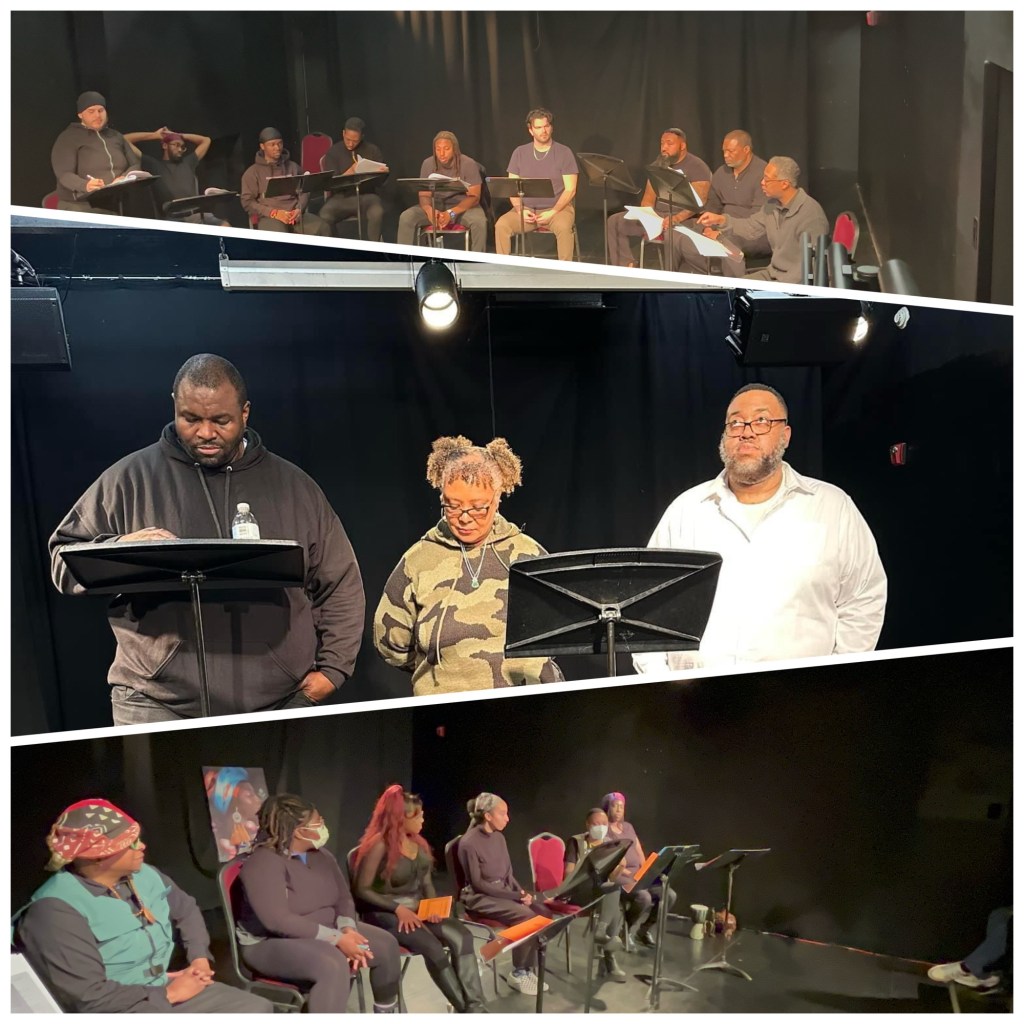
Well people we finally finished the second stage of our musical by doing a reading of selected songs from the play. It’s been work and more too come. We have been in the studio working on the music too release some time this year and are not far from finishing that as well. The goal next is for stage 3 and 4 where we do a conversation with individuals that can tell stories of experiences dealing with the criminal justice system and the other present all the songs at the next philly theatre week in
February. Working on a musical has been a journey but we have learned so much and just too think our final stage will be August/September where the full production will be going up. Stay tuned.
“If you get a chance to act in a room that somebody else has paid rent for, then you’re given a free chance to practice your craft.”
#phillipseymourhoffman
I have the privilege of watching some of Philadelphia and it’s surrounding areas talents and for me it’s always a treat. Watching someone work to become a character is an amazing thing. No matter how small or large the part in the end it’s about putting in the work and showing the audience you are that character.
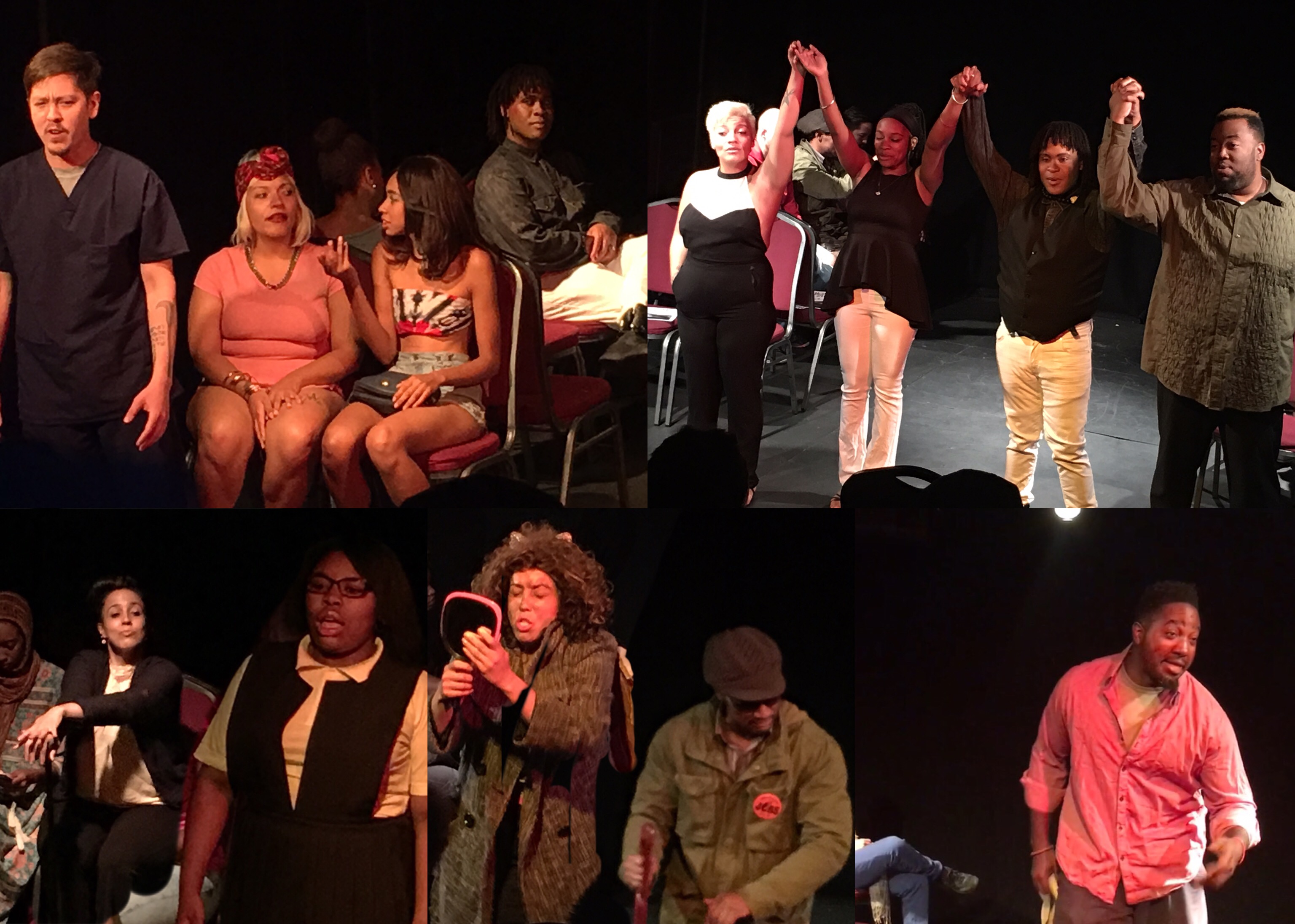
Just imagine if we never got the chance to see #chadwickboseman pull off one of his most iconic rolls as #blackpanther would we had felt the joy that the billions felt around the world or experience his acting accomplishment and be able to say when we all walked out the thwarted “can’t wait for the next one.” The believe ability like in this scene here with @quinteromoore and @pap.l1 it takes a lot to be a psychopath and a criminal. Watching them was a treat as Luis was there from the beginning working on his part and in the last two weeks of rehearsal Terry came onboard and they had too not only create a circumstance of believability but build chemistry and trust that would make a scene not just believable but memorable for the audience and they did just that 👍🏾 We need to all remember how these moments mean so much for so many reasons and people for writers and directors it’s a treat to see his, her or there work coming to life and for the actor pulling it off is magical in its own right.
So if you didn’t know we are in the middle of preproduction of Awoke the musical and it’s been a great journey. We have been diligent in creating this too be one that many will enjoy. Over the weekend myself, photographer Lina Baker and makeup artist Melissa Mosqueda along with actor,comedian Jamaal White got together at one of my favorite spots in the city Germantown Espresso Bar for the Awoke: The Musical covet shoot. It was fun just watching the process. Makes it even more curious as to seeing the final look of this when it all said and done.
Check the rest of the story on (Awokethemusical Instagram page)
Our choices of music for the production has been the challenge that I felt would be the thing that would bring the story together. For me that was a no brainer but to bring onboard creatives such as Vince Brown and Rugrat Nam to create the sounds and songs we felt would not only be direct in pulling together the story but holding on to the crowds attention as well.
Getting into the sounds of Awoke
With music it often becomes the life journey of a play and or film. As Karen’s work we all felt the need to make sure each piece represented not just the characters being portrayed but the ones that most likely would relate to them as well. We only have two more songs to go before we are done with the soundtrack but boy what a collaborative journey this one is for us all. Our casting went well and for the next blog we will talk about the cast.
October was a month to remember as Run Boy Run Productions of CultureTrust Greater Philadelphia had projects running in not one but two parts of Pennsylvania but also how both projects stand tall to be about social issues within communities of today and that is domestic violence and abuse.
Starting off with Boomerang as it previewed works from the performance piece at the Koresh Dance Showcase. With a story that has never been told, Boomerang is one to bring focus to how children are affected by abuse of in a family specifically African American male as it can often be something that molds them in belief that these actions are how you are suppose to be or want to treat someone even into adulthood. Truth is this story is not limiting and is real in many communities and whit every piece as they unfold many will watch and see someone in this maybe even themselves and understand the need of raising a family under a positive roof can be the true focus for a positive youth.
Our other play Mississippi Smiles has been making a move since its birth from paper a year ago. With a focus on domestic violence and abuse as it effects women that transition from heterosexual to the lgbtq community it brings a big focus as to how it’s often about what baggage we choose to keep in our lives then recognizing how to heal first.
With an all star cast and director to match, Mississippi Smiles was a sold out show and had many wanting more. The understanding of domestic violence and abuse awareness is to see that it’s effects can be felt in many ways, shapes and forms and for us we are glad to bring stories to life that generate not just thought but conversation.
Over the weekend we wrapped up underground episode. This was a test on how to run a show for two weeks and I must say there was a lot to be learned but it is definitely worth it. First things first, the cast compose of both veterans and newbies with a short timeframe of two months to learn probably one of the most challenging work that some of them have been a part of. For many including myself it was jumping from one production to another that was a challenge however for others it was just coming in and beginning the task at hand.
This time around we utilized collaborating with makeup artist Andrea Blassingame to create the looks, set up radio time for interviews, bloggers, and paid advertising in the metro Philly to get the word out on the production. We also utilized the site which the facility used instead of going the eventbrite way.
It was scary but I had to see what we could do and the end result turned out to be what we wanted. Now we are gearing up for next year to actually take advantage of all we learned.
The beauty of it all was swing how no matter what RunBoyRunProduction still continues to grow as a family and in the end this makes for good business.
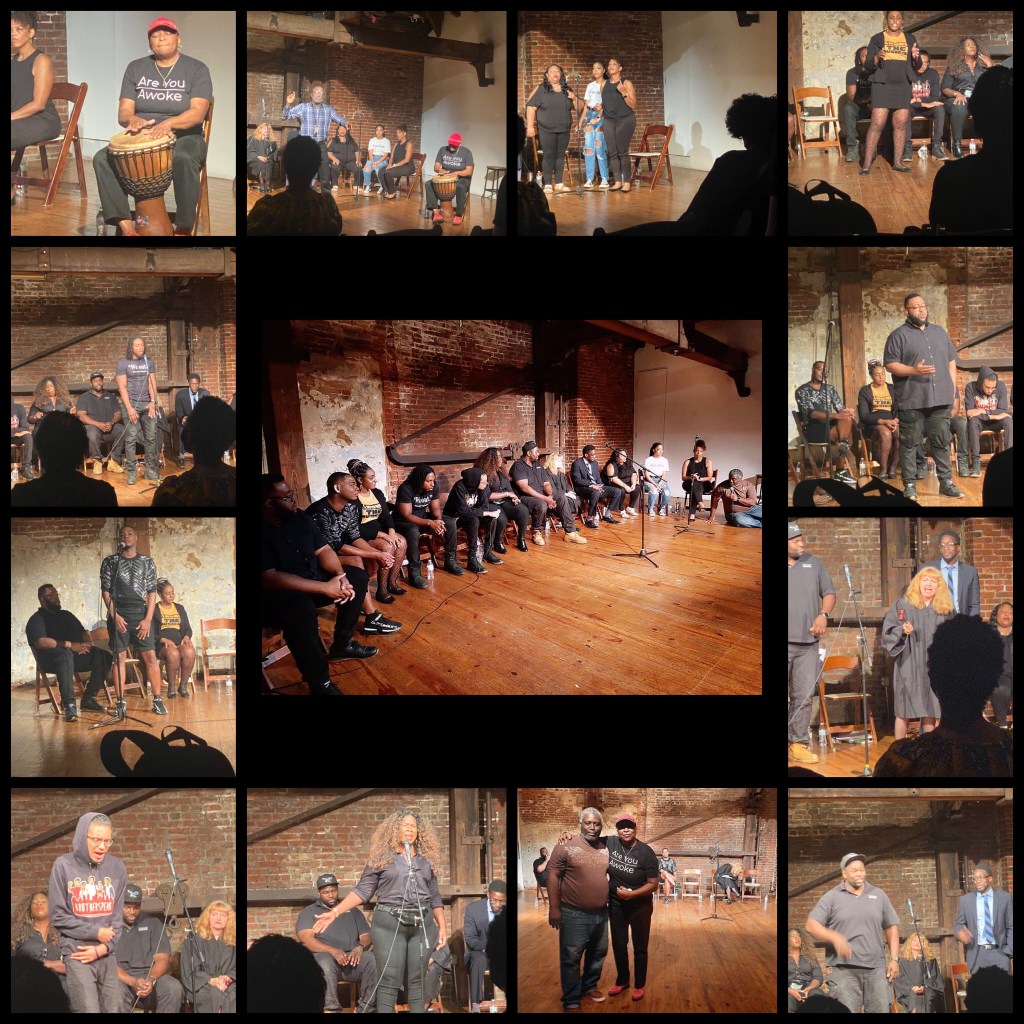
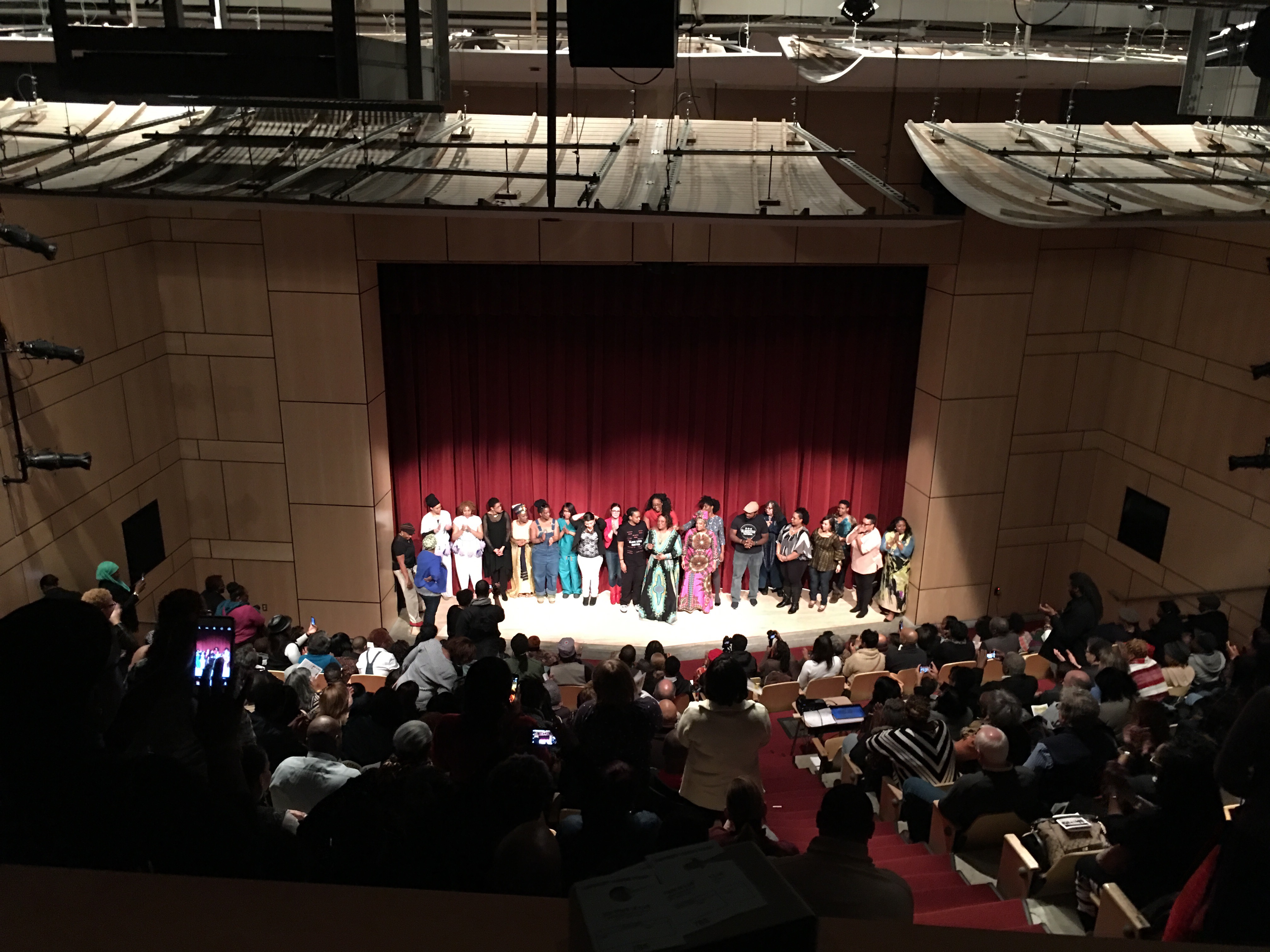
If you didn’t know runboyrunprod is involved in everything. Last night was about the stage play #mysisterskeeper part of the #thinkcreateinspire festival with director writer Jody ‘Tru Story’ Austin assistant directors Tiffani Dean and Antoine K D Stroman. With an all woman cast covering powerful and emotional subjects, these women proved that #poetictheater is here to stay.
For Jody this was a dream come true as she took the moments of pain noticed in all women’s lives and made it a journey of sisterhood that could not be denied.
Covering matters of mental, physical and emotional abuse, self perseverance, body images, social awareness, equal rights and many more this play has answered the called that women have been waiting for and is the beginning of a journey that will go beyond the stage.
Take a bow ladies for the night is yours and the road has just begun.






 Run Boy Run Production