Black theatre, within the rich tapestry of performing arts, serves as a poignant testament to the depth of culture, history, and creativity within the black community. From the groundbreaking narratives of August Wilson to the contemporary innovations of playwrights like Tarell Alvin McCraney, black theatre resonates with audiences and amplifies essential stories. Yet, behind each captivating stage production lies an often-overlooked process: the crucial readings and rehearsals that refine and shape the final performance.
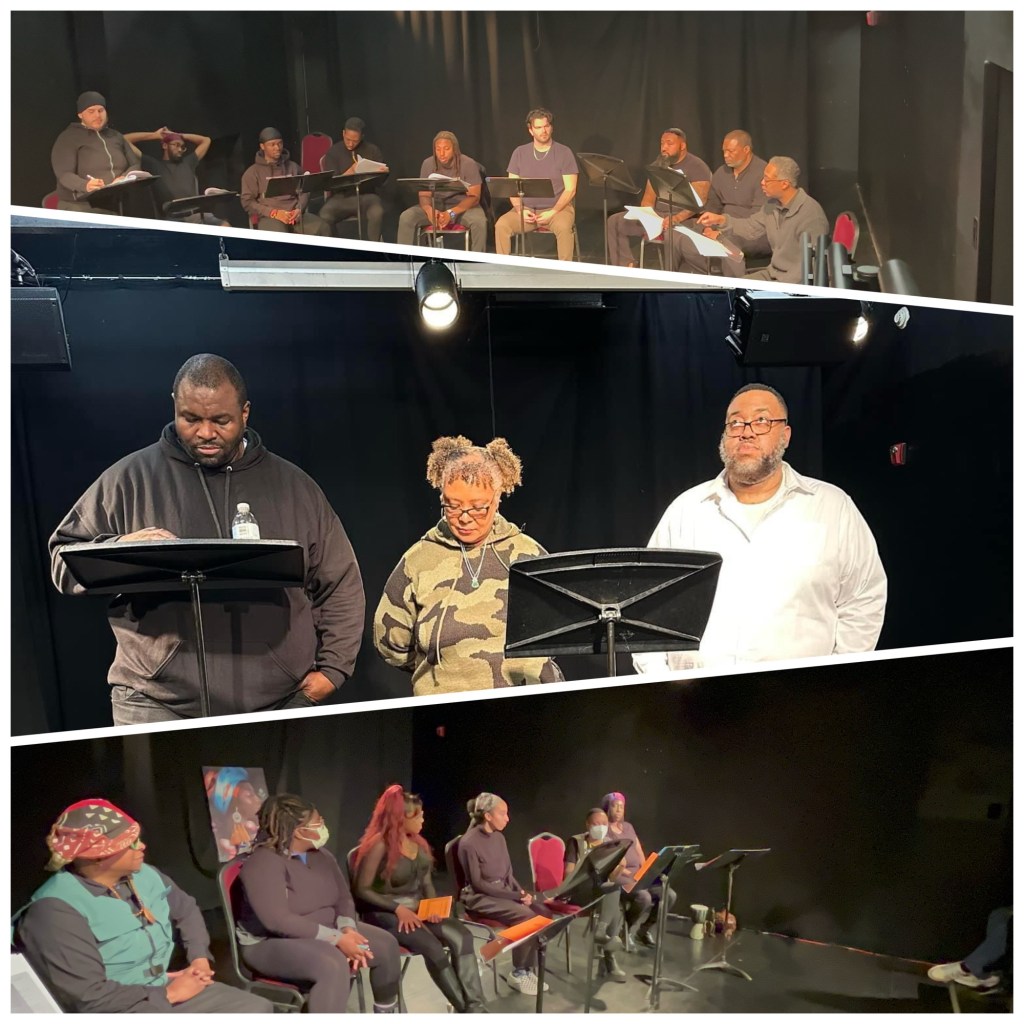
Before a play graces the spotlight, it embarks on a developmental journey critical for black theatre’s authenticity and impact. Readings, workshops, and rehearsals provide a platform for playwrights, directors, and actors to delve into themes, characters, and dialogue with depth and nuance. Particularly for black theatre, these early stages hold immense significance, allowing artists to explore complex issues of identity, race, and social justice authentically.
The necessity for black theatre readings arises from a commitment to ensuring accurate and respectful representation of black, brown, and LGBTQ communities. Through collaborative table reads and workshops, artists refine scripts, tackle challenging themes, and celebrate the diverse perspectives within the black diaspora. These readings serve as incubators for creativity and dialogue, empowering artists to elevate their craft and contribute meaningfully to the artistic landscape.
Moreover, black theatre readings offer a vital platform for emerging playwrights and performers to showcase their talents and amplify their voices. In an industry where opportunities for minority artists can be scarce, these readings provide essential connections with mentors, collaborators, and audiences. By championing diversity and inclusivity throughout the creative process, black theatre readings enrich the artistic community and foster greater representation and equity.
In addition to honoring the significance of readings, it’s essential to celebrate the contributions of black, brown, and LGBTQ writers and performers in theatre. Often marginalized or overlooked, these trailblazing artists have shaped and enriched black theatre with their extraordinary talents. From luminaries like Lorraine Hansberry to Sidney Poitier, their voices deserve recognition and celebration.
Our commitment to black theatre extends beyond homage to classic works; it encompasses nurturing new talent and amplifying underrepresented voices. By providing opportunities for Philadelphia theatre makers to direct and narrate readings of Broadway classics, we broaden the scope of inclusivity and creativity within the industry. These readings not only provide a platform for aspiring actors but also inspire audiences to witness the next generation of theatre talent.
In conclusion, black theatre readings are not merely a precursor to the final performance; they are an integral part of the creative journey, fostering collaboration, dialogue, and discovery. By embracing readings and honoring diverse talent, we ensure the continued vibrancy and relevance of black theatre in the performing arts landscape. Let us raise our voices, celebrate achievements, and embrace the transformative power of black theatre as we eagerly anticipate the next chapter of its evolution.
Opening up about mental health is a journey fraught with challenges, and for men, the path can be particularly arduous. Society often imposes unrealistic expectations on men to embody strength, resilience, and emotional stoicism. Consequently, creating a space for men to discuss their mental health issues is not just difficult—it’s a profound societal shift. In this blog post, we explore the hurdles men face when broaching the topic, the stigma surrounding mental health disclosure, and how we can foster an environment where men feel safe opening up.
The Stigma Surrounding Men’s Mental Health
Men, from a young age, are conditioned to be the stoic providers, showing minimal vulnerability. This cultural expectation makes it challenging for them to admit when they’re struggling emotionally. The fear of being perceived as weak or incapable often silences their inner struggles. As a result, many men suffer in silence, grappling with their mental health behind a facade of strength.
The Burden of Blame
When men do muster the courage to share their mental health challenges, there’s a common tendency for both the speaker and the listener to attribute blame. The person revealing their struggles might feel like a burden, causing guilt and exacerbating their mental health issues. On the other side, friends and family may unintentionally internalize responsibility, thinking they somehow caused the problem. This dynamic can hinder open communication and perpetuate the cycle of silence.
Creating a Safe Space for Dialogue
Breaking the silence around men’s mental health requires a shift in societal attitudes and individual behaviors. Here are some steps we can take to foster a safe environment for men to talk about their mental well-being:
Normalizing Vulnerability: Encourage open conversations about emotions, emphasizing that everyone faces challenges and seeking help is a sign of strength.
Active Listening: Be a compassionate and non-judgmental listener. Sometimes, men just need someone to hear them without offering immediate solutions.
Educating About Mental Health: Promote awareness and understanding of mental health issues. Education helps dispel myths, reduce stigma, and encourages empathy.
Destigmatizing Professional Help: Emphasize the importance of seeking professional support. Highlighting that therapy is a tool for personal growth, not just crisis intervention, can make it more acceptable.
Lead by Example: Share your own experiences with mental health to demonstrate that it’s okay to talk about struggles. Authenticity can inspire others to do the same.
Conclusion
Creating a space for men to discuss their mental health requires a collective effort to challenge societal norms and foster empathy. By dismantling the stigma, normalizing vulnerability, and promoting open dialogue, we can contribute to a cultural shift where men feel safe sharing their mental health challenges without fear of judgment or blame. It’s time to break the silence and cultivate an environment where everyone, regardless of gender, can openly address their mental well-being.
You ever have a point in a moment when you’re trying to talk to someone about what you’re going through and how you’re feeling and they flip it to being something about them. As a man, probably one of the biggest things is the GD information to others on your mental illness moments it’s often looked at as a point of shame in many cases people think of you of less than amen at least that’s what you think of yourself. When it’s being Devolved turns into a situation where that person that you’re talking to sees them self as the why moment as if they are the ones that made you this way or that it’s all of their fault when the fault is not on them but you having things that’s going on with you. For men mental health and allowing others in has never been easy.
The creative process is an intensely personal and intricate journey, where every artist brings their distinct perspective and life experiences to their craft. For Black creatives, this journey is laced with layers of complexity, rooted in a rich cultural heritage, a history of resilience, and the ongoing struggle for equity. In this blog, I want to share the deeply personal process of writing as a Black creative, shedding light on the challenges, inspirations, and the powerful voices that arise from this unique vantage point.
1. Drawing Inspiration from My Cultural Heritage
I often draw inspiration from my rich cultural heritage, which encompasses a diverse range of experiences, from African traditions and history to the African diaspora. These cultural roots infuse my work with a deep sense of identity and pride. Authors like Chimamanda Ngozi Adichie and Ta-Nehisi Coates have beautifully shown how their African and African-American backgrounds influence their storytelling, and I resonate with this on a personal level.
2. Navigating Complex Themes
As a Black creative, writing involves confronting complex themes like identity, racism, social injustice, and historical trauma. These themes are central to my creative process, and I use my work as a platform to shed light on these issues. Books like “Between the World and Me” by Ta-Nehisi Coates and “The Hate U Give” by Angie Thomas deeply impact me, as they delve into racial injustice and offer powerful perspectives that resonate with my own experiences.
3. Challenging Stereotypes
I often find myself in the position of challenging stereotypes and misconceptions about the Black community. My writing serves as a tool to dismantle harmful narratives and provide more accurate portrayals of Black individuals. Maya Angelou’s autobiographical series, starting with “I Know Why the Caged Bird Sings,” does this beautifully, portraying the complexities of life and identity in a way that I can personally relate to.
4. Advocating for Diversity in Publishing
The publishing industry has had a long history of lacking diversity, both in terms of authors and the stories it represents. As a Black creative, I am actively working to change this by advocating for more inclusivity and opportunities for underrepresented voices. Initiatives like #PublishingPaidMe have exposed disparities in book advances, and I am committed to being part of the solution in making the industry more equitable.
5. Embracing Resilience and Perseverance
My journey as a Black creative often comes with unique challenges, including combating stereotypes and confronting systemic biases. However, my stories are also a testament to resilience and perseverance. Authors like Toni Morrison, Langston Hughes, and Zora Neale Hurston faced adversity head-on, creating timeless works that continue to inspire me in my own writing journey.
Conclusion
Writing as a Black creative is a deeply personal and multifaceted journey filled with inspiration, challenges, and the opportunity to reshape narratives. By drawing from my cultural heritage, addressing complex themes, and advocating for diversity, I am crafting a literary landscape that celebrates the richness of my experiences and the power of my voice. My stories are not just about the Black experience but are universally resonant, reminding us of the strength and creativity that emerges from embracing one’s identity and fighting for a more inclusive world.
In addition, my journey often involves collaboration, working with co-creators who share the same goals and mission. The evolution of our writing over the years is a testament to the ever-changing landscape of life and art, reflecting the shifting dynamics of the world and our own personal growth.
In the end, the journey of writing as a Black creative is not only about creating stories but also about making a difference, pushing boundaries, and leaving a lasting impact on literature and society. It’s a journey that embodies the spirit of personal resilience, unity, and the power of words to inspire change.
In the vibrant landscape of American theater, there exists a captivating duality – African-American theater and Black theater. These two entities share a common thread of representing the Black experience, yet they differ in subtle but meaningful ways. Both these theaters face unique challenges within an industry that has often marginalized them, making it crucial to examine how they coexist while persevering in a narrative that has often overlooked their voices.
Defining African-American Theater and Black Theater
African-American theater, in its essence, refers to the theater that centers on the experiences, stories, and culture of African-Americans. It has roots in the struggle for civil rights and social justice, with historical figures like Lorraine Hansberry and August Wilson making significant contributions. African-American theater often tackles issues of racial identity, discrimination, and the fight for equality.
On the other hand, Black theater takes a more encompassing approach. It doesn’t limit itself to African-Americans but extends its reach to encompass the entire African diaspora. Black theater explores the shared experiences of Black people worldwide, transcending geographical boundaries. This broader perspective allows Black theater to connect with an even wider audience and tackle a variety of global issues related to Black culture.
Coexistence in the Theater World
The theater world, often criticized for its lack of diversity and opportunities for Black artists, has begun to recognize the importance of both African-American and Black theater. These distinct forms of expression coexist by occupying different niches within the industry. African-American theater remains a vital tool for addressing the specific struggles faced by African-Americans in the United States. In contrast, Black theater, with its global focus, provides a platform to celebrate the rich and diverse tapestry of the Black experience worldwide.
Challenges and Triumphs
Both African-American theater and Black theater face unique challenges. These challenges, however, have not deterred their perseverance.
Representation: The fight for representation in theater is ongoing. Both African-American and Black theater have struggled to secure their rightful place on the stage, but they persist in sharing stories that need to be told.
Funding and Resources: Access to funding and resources remains a challenge. Despite this, dedicated artists have found innovative ways to produce remarkable work, such as crowdfunding and community support.
Recognition: Achieving recognition for their contributions can be an uphill battle. However, accolades and awards for actors, directors, and playwrights from these theaters continue to grow, providing well-deserved recognition for their talent and dedication.
The Survival of the Black Experience in American Theater
The Black experience is both resilient and transformative. It continues to evolve, adapt, and persevere in the narrative of American theater. African-American and Black theaters play a pivotal role in this narrative, ensuring that the stories of Black people are not just heard but celebrated. Their existence challenges the industry to become more inclusive and open to diverse narratives.
In conclusion, the difference between African-American theater and Black theater is rooted in scope and perspective. They coexist as vital contributors to American theater, making space for underrepresented voices and celebrating the rich tapestry of Black experiences. Together, they defy the industry’s tendency to look from the outside in and pave the way for a more inclusive and diverse theater landscape in America. The Black experience is not just surviving but thriving in the ever-evolving narrative of American theater.
Title: Navigating the Duality: African-American Theater vs. Black Theater
In the vibrant landscape of American theater, there exists a captivating duality – African-American theater and Black theater. These two entities share a common thread of representing the Black experience, yet they differ in subtle but meaningful ways. Both these theaters face unique challenges within an industry that has often marginalized them, making it crucial to examine how they coexist while persevering in a narrative that has often overlooked their voices.
Defining African-American Theater and Black Theater
African-American theater, in its essence, refers to the theater that centers on the experiences, stories, and culture of African-Americans. It has roots in the struggle for civil rights and social justice, with historical figures like Lorraine Hansberry and August Wilson making significant contributions. African-American theater often tackles issues of racial identity, discrimination, and the fight for equality.
On the other hand, Black theater takes a more encompassing approach. It doesn’t limit itself to African-Americans but extends its reach to encompass the entire African diaspora. Black theater explores the shared experiences of Black people worldwide, transcending geographical boundaries. This broader perspective allows Black theater to connect with an even wider audience and tackle a variety of global issues related to Black culture.
Coexistence in the Theater World
The theater world, often criticized for its lack of diversity and opportunities for Black artists, has begun to recognize the importance of both African-American and Black theater. These distinct forms of expression coexist by occupying different niches within the industry. African-American theater remains a vital tool for addressing the specific struggles faced by African-Americans in the United States. In contrast, Black theater, with its global focus, provides a platform to celebrate the rich and diverse tapestry of the Black experience worldwide.
Challenges and Triumphs
Both African-American theater and Black theater face unique challenges. These challenges, however, have not deterred their perseverance.
Representation: The fight for representation in theater is ongoing. Both African-American and Black theater have struggled to secure their rightful place on the stage, but they persist in sharing stories that need to be told.
Funding and Resources: Access to funding and resources remains a challenge. Despite this, dedicated artists have found innovative ways to produce remarkable work, such as crowdfunding and community support.
Recognition: Achieving recognition for their contributions can be an uphill battle. However, accolades and awards for actors, directors, and playwrights from these theaters continue to grow, providing well-deserved recognition for their talent and dedication.
The Survival of the Black Experience in American Theater
The Black experience is both resilient and transformative. It continues to evolve, adapt, and persevere in the narrative of American theater. African-American and Black theaters play a pivotal role in this narrative, ensuring that the stories of Black people are not just heard but celebrated. Their existence challenges the industry to become more inclusive and open to diverse narratives.
In conclusion, the difference between African-American theater and Black theater is rooted in scope and perspective. They coexist as vital contributors to American theater, making space for underrepresented voices and celebrating the rich tapestry of Black experiences. Together, they defy the industry’s tendency to look from the outside in and pave the way for a more inclusive and diverse theater landscape in America. The Black experience is not just surviving but thriving in the ever-evolving narrative of American theater.
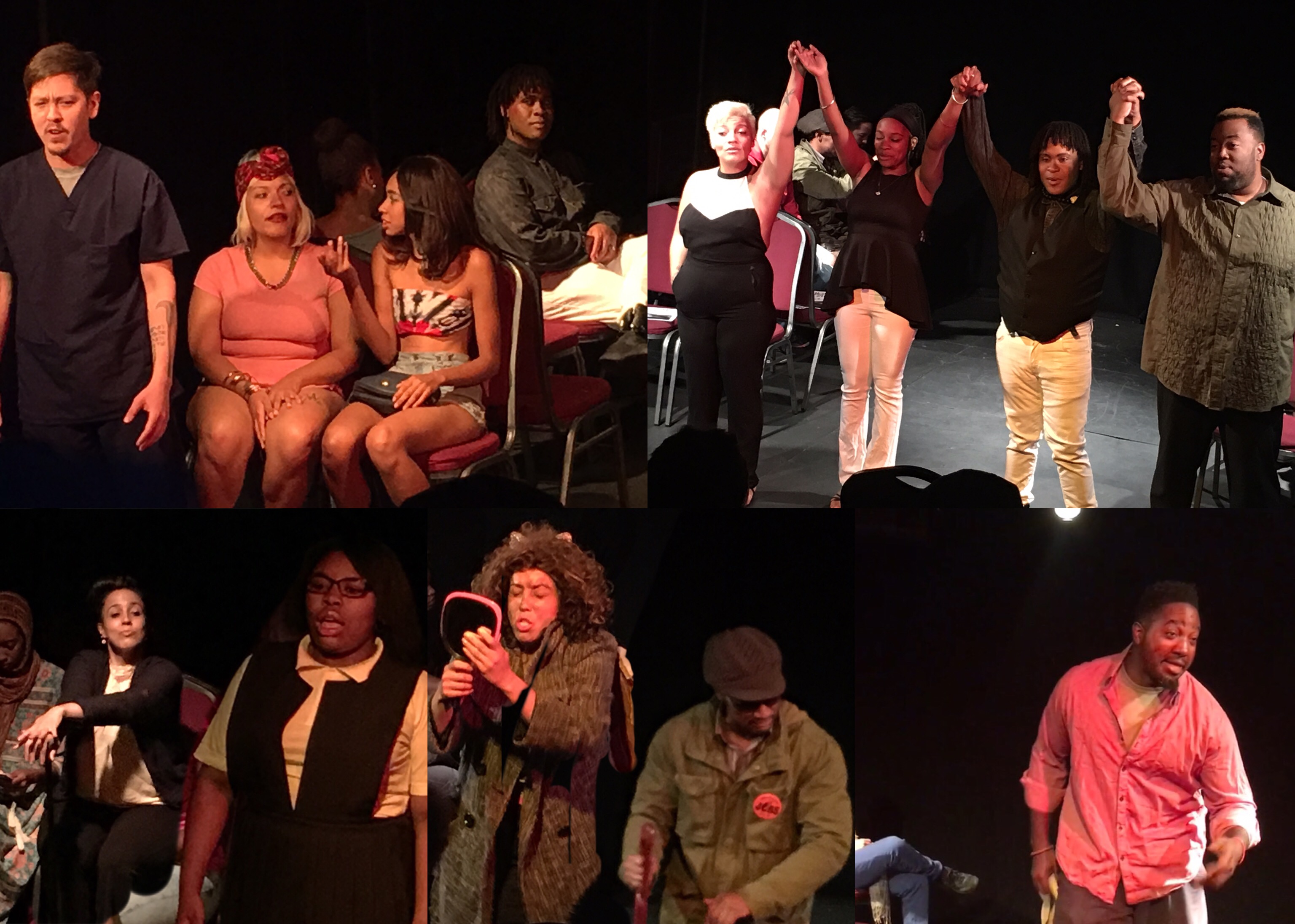
Over the weekend we wrapped up underground episode. This was a test on how to run a show for two weeks and I must say there was a lot to be learned but it is definitely worth it. First things first, the cast compose of both veterans and newbies with a short timeframe of two months to learn probably one of the most challenging work that some of them have been a part of. For many including myself it was jumping from one production to another that was a challenge however for others it was just coming in and beginning the task at hand.
This time around we utilized collaborating with makeup artist Andrea Blassingame to create the looks, set up radio time for interviews, bloggers, and paid advertising in the metro Philly to get the word out on the production. We also utilized the site which the facility used instead of going the eventbrite way.
It was scary but I had to see what we could do and the end result turned out to be what we wanted. Now we are gearing up for next year to actually take advantage of all we learned.
The beauty of it all was swing how no matter what RunBoyRunProduction still continues to grow as a family and in the end this makes for good business.
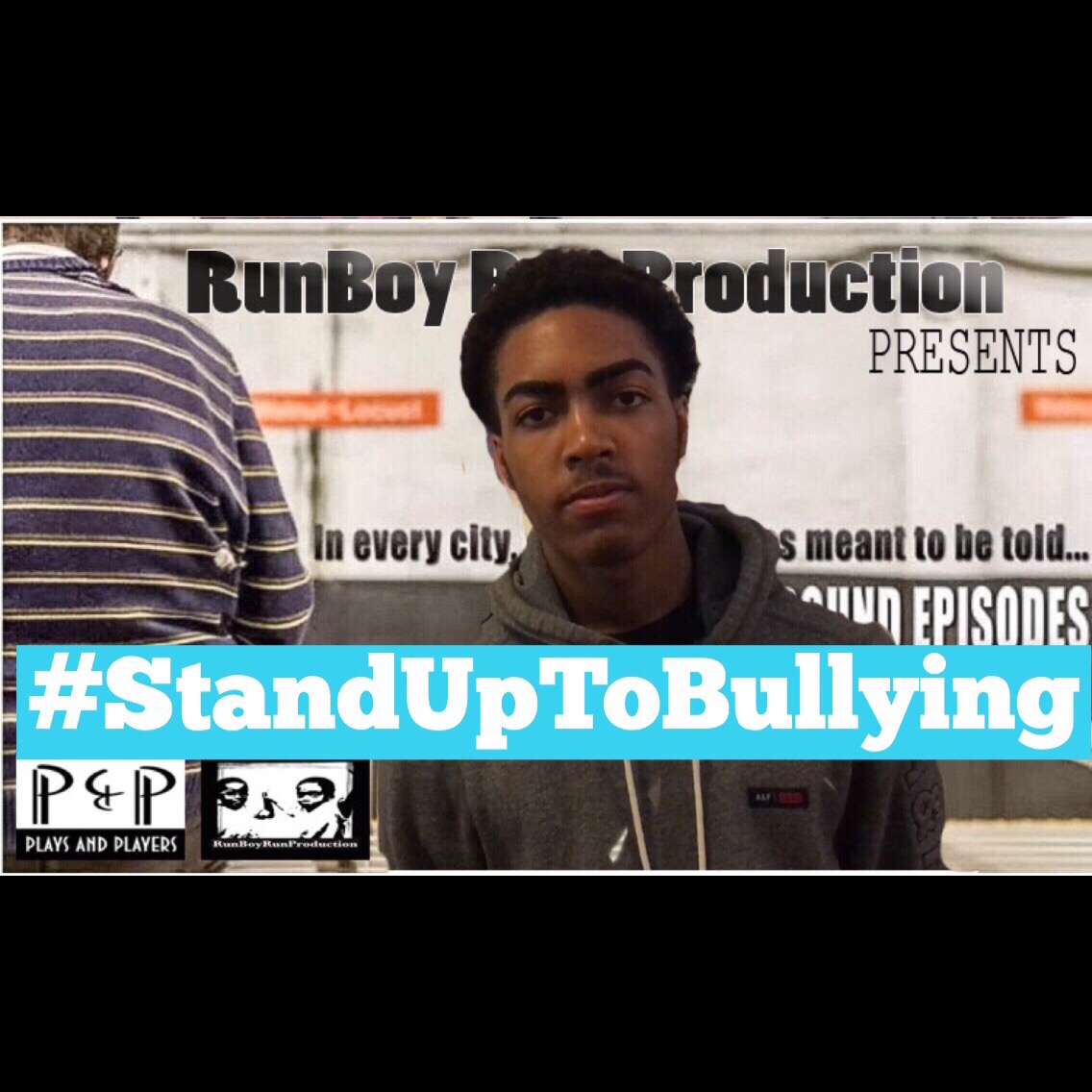
Since our beginning RunBoyRunProduction has believed that art is the best way to tell not only stories but how reality is affected daily but the average person. One of our most impactful stories has been “Bully” (performed here by Ra Wilson) which is a story about a young man that got expelled from school but as he tells it they thought he was the bully but it turns out that he was the one being bullied.
For many of us the story is relatable especially if you come from the 80s and 90s when it was always those of us that were nerds that were being bullied. I tell you from experience being bullied as a kid was not a happy moment for me. Whether it was done by high school jocks or just someone who though I was an easy target my terror as a child was often followed by rage and regrets. However as an artist I had an outlet and that was being able to write, act, dance or draw the need to have an outlet was important In getting through such pain.
Because art was my outlet as a child for so many things, I make it my duty to do such for others after all we all need someone to listen to our stories. As I said before Ra has been doing bully since its incarnation and has since grown as an actor doing films and becoming a playwright himself. So now as we go into our forth year Ra has decided to pay it forward and give the role to a young up and coming Quashawn White as he makes his stage debut.
Bullying is not a laughing matter and in this day in time it has taken on a new form with the days of social media that it’s panic and terror has been one that many of us can’t turn our eyes from. However what we can do is stand up and fight for those that that need a voice those that need and outlet that in the end will look to you and say thank you for showing me how to stand.. How will you stand up to bullying?
As ordinary as we are as people we never know how inspirational we can be to others. This young lady here has been an inspiration to me since I’ve known her a writer a philosopher and a fighter a poet a craftsman a parent using the power within to be her strength where in most situations people would fold. She always contains a smile and a word of encouragement even when the day seems as if it will show nothing but gloom. She is strength and continues to go above and beyond in her journey and for these reasons I celebrate your inspiration today. So my artist friends when you think you can’t always remember how she shows us what we can…
The beauty of watching the cast is watching them develop chemistry among one another and character with themselves. For many the challenge of becoming a character invokes an understanding of knowing the frustrations and attitude of the character. For the most part, utilizing parts of ones life can be the best motivation like work and how it plays an intricate part to your everyday you can feel the frustration and pains it can cause to push forward into a role..
You ever sit on a subway train and not want to get up when the seat heats up? It’s like not wanting to give into the problems awaiting you at work or home but its very helpful in de-stressing the time. Often I find myself closing my eyes and giving into the warmth accepting it as if I was in the sun soaking in rays of light even just for a moment of joy. Looking forward to the summer time in Florida, the Caribbean or in Vegas just knowing I don’t have to get up for work or deal with the winter cold even just for a moment.
Man it’s one of those moments that you can only get when your ready for it and in that minute as you sit you are ready for calm, for peace, for it never to end. It’s good on those days when you are full of aches an pains of the flu and just waiting to get home in bed. It’s good in those mornings when all you want to do is rest. It’s the best feeling in the world but like all good things it comes to an end. The 15 minutes of electric relaxation with headphones on and it only cost a token, a moment of time…







 Run Boy Run Production